Former IT Manager Now Drives Auto, Earns Rs 60K A Month
A former IT manager left a high-pressure tech role to drive an auto-rickshaw, saying the switch brings income, confidence and peace.
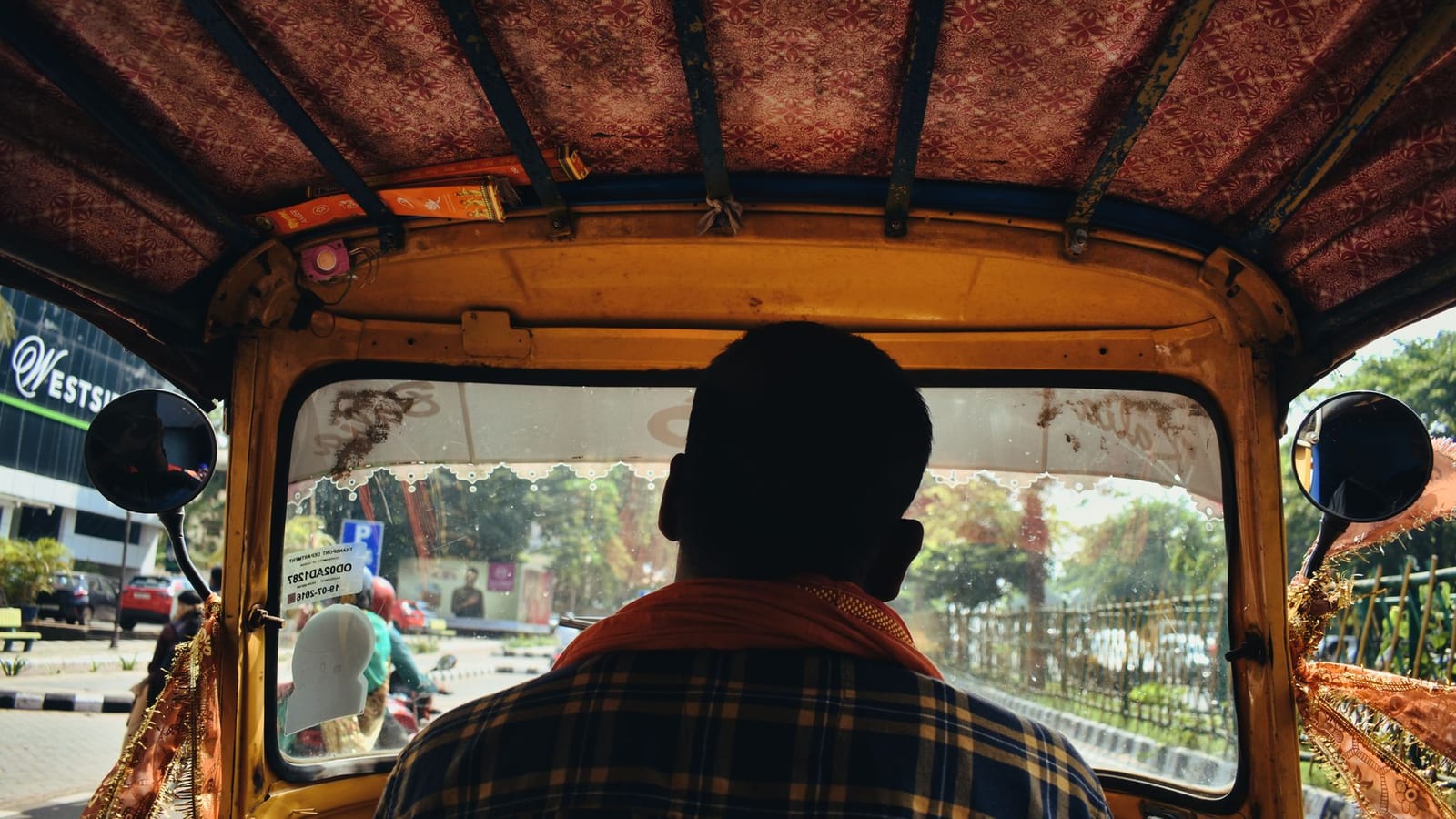
A young woman traded an IT manager’s chair for an auto-rickshaw seat, and the internet paused.
Not because she failed. Because she seemed calmer, freer, and still financially steady.
After nine years in the IT sector, she quit a high-pressure corporate job and began driving an auto. She now says she earns up to Rs 60,000 a month, with something harder to price, peace.
A corporate exit gets attention
Entrepreneur and social media influencer Nesrin Midlaj shared the woman’s story on Instagram after meeting her during a ride.
Midlaj said she first noticed the driver’s confidence and ease. The woman did not appear apologetic about her work. She looked like someone who had made a choice and owned it.
The surprise came later. The auto driver told her she had spent nine years as an IT manager before leaving that career behind.
For many Indians, that detail changes the story. An auto driver earning well is one thing. A woman leaving a managerial tech role to drive an auto is another.
It unsettles a familiar middle-class idea. A “good job” has long meant a desk, a salary slip, an ID card, and social approval.
Why peace is becoming currency
The woman told Midlaj that stress pushed her out of IT. She chose auto driving because it gave her more control over her day.
That line has struck a nerve because it sounds familiar. Across cities, many young professionals now measure work differently.
Salary still matters. Rent, EMIs, school fees, and medical bills do not disappear because someone wants balance.
But the old bargain feels weaker. Long hours, constant calls, and silent burnout no longer look like success to everyone.
The woman says she now earns up to Rs 60,000 a month. In many Indian cities, that is not a small figure.
More than the money, she says she has happiness and peace. That is why the story travelled so quickly.
People did not react only to the auto. They reacted to the courage behind the switch.
Status no longer tells all
This story also says something about modern Indian taste and ambition. Status is still powerful, but it is changing shape.
Earlier, a white-collar job carried automatic prestige. Families could point to it with pride.
Now, younger Indians often ask a sharper question. What is the cost of that prestige?
The comments under Midlaj’s video reflected that mood. Many people praised the driver for choosing herself over social expectations.
Some wrote that a simpler life can bring both peace and financial stability. Others said happiness should matter more than outside approval.
That may sound obvious. In practice, it remains difficult.
Indian society still ranks jobs quickly. It often treats office work as respectable and street work as a fallback.
This woman’s story pushes against that habit. She has not stepped away from work. She has stepped away from one definition of success.
Work choices are getting personal
The gender angle also matters. A woman driving an auto with confidence still feels unusual in many places.
Public-facing work comes with its own pressures. Women who work on the road often face questions men rarely hear.
That makes her decision more layered. She left a job that society respects and entered one it may judge more harshly.
Yet the public response has been largely admiring. That says something about the moment.
Mental health has moved from private whisper to public conversation. Burnout no longer sounds like weakness to many people.
The workplace has also changed. Tech jobs once looked like the cleanest path to upward mobility.
They still offer good pay and growth. But they can also bring pressure that follows people home.
This is why the story feels less like an oddity and more like a signal. Indians are becoming more willing to discuss the emotional price of work.
The bigger lesson from one ride
Nobody should romanticise difficult work. Driving an auto means long hours, traffic, heat, rain, fuel costs, and daily uncertainty.
A corporate job has its own security. Regular income, benefits, and career growth still matter deeply.
But the driver’s story does not ask everyone to copy her. It asks people to rethink what they call a successful life.
That is why it has travelled beyond one ride and one video.
For some, success will still mean a promotion. For others, it may mean fewer panic-filled mornings.
For a few, it may mean leaving a polished office and earning with both hands on a steering handle.
The woman’s choice feels powerful because it is plain. She wanted less stress, decent income, and a calmer life.
In a country where many people still live by other people’s expectations, that is no small act.
The real lesson is not that an auto is better than an office. It is that work must leave some room to live. For ordinary Indians watching this story, that may be the question that lingers longest: what is a salary worth, if peace keeps paying the bigger bill?