Going Watch-Free May Signal Time Stress Habits
Psychologists say avoiding wristwatches can reflect comfort, identity, routine or time pressure, but it is not a standalone personality diagnosis.
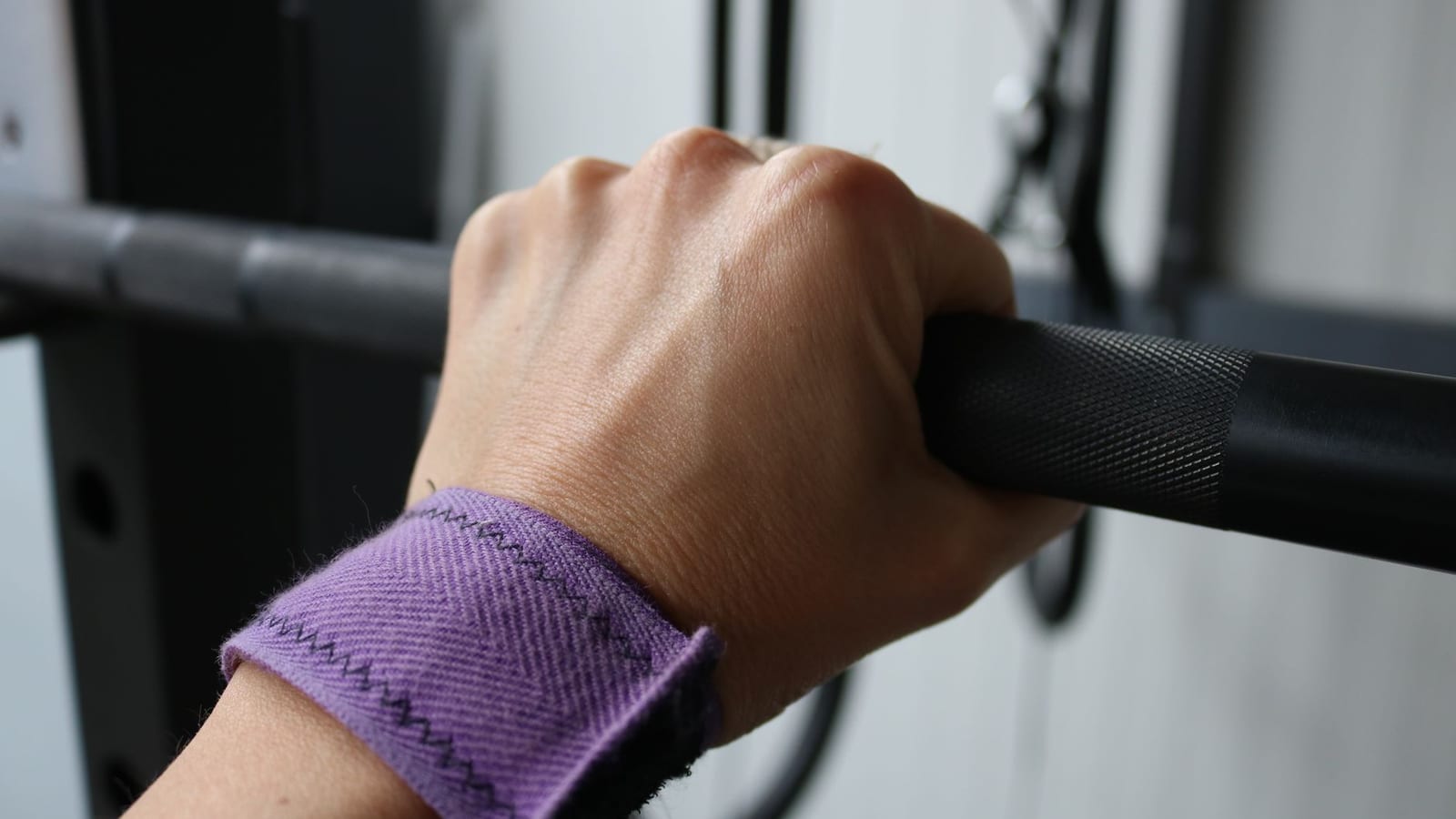
The bare wrist now says more than the watch once did.
For many Indians, the day still begins with three small checks: keys, wallet, phone. The watch has quietly fallen off that list. Yet some people never wore one even before smartphones took over our pockets.
That small habit has started a familiar question. Does avoiding a watch say something deeper about personality, stress, or the way a person sees time?
A bare wrist is not a diagnosis
In psychology, one habit rarely tells the whole story. A person who skips a wristwatch is not automatically careless, lazy, or late.
Psychologists generally treat such choices as soft behavioural clues. They may reflect comfort, routine, identity, or a simple dislike of things on the wrist.
Some people like structure. They want the time visible at a glance. Others feel boxed in by constant checking. For them, the watch can feel less like a tool and more like a reminder.
That difference matters. A watch tells time, but it can also change how often we think about time.
Time pressure can feel personal
Many people know the feeling. You glance at the watch once, then again five minutes later. Suddenly, the whole morning feels tighter.
Mental health experts often describe stress as the body’s response to demand. That demand can come from work, family, traffic, deadlines, or even small cues around us.
A watch may become one such cue for some people. It keeps time visible. That helps one person stay calm, but pushes another into constant monitoring.
This does not mean watches cause stress. It means some people respond to time reminders more sharply than others. The same object can soothe one mind and irritate another.
Creative workers often recognise this. Writers, artists, designers, musicians, and editors may enter long periods of deep focus. In that state, clock-watching can break rhythm.
Still, romance has its limits. A newsroom, hospital, factory floor, court, or railway platform cannot run on “flow”. In many jobs, time is not a mood. It is the system.
Smartphones changed the habit
The rise of smartphones made the wristwatch optional for millions. For younger Indians, the phone already shows the time, alarms, calendar, messages, payments, and commute updates.
So the old argument, “How will you know the time?” has lost force. The real question now is different. Do you want time always sitting on your body?
That is where personality enters the picture, but only lightly. Some people see watches as part of their style. Others see them as extra weight, another object to maintain, charge, or protect.
Then came smartwatches, led by products like Apple Watch, which blurred the line further. A wrist device no longer just tells time. It counts steps, shows calls, tracks sleep, and nudges users to move.
For health-conscious users, that can help. For others, it adds noise. A device that taps your wrist all day can make life feel more measured than managed.
Independence is only one reading
The popular reading says people who avoid watches may think more independently. They do not want every minute sliced and labelled.
There is some common sense in that. A person may prefer a looser relationship with time. They may focus more on the present moment than on the next appointment.
But this is not a personality test. A bare wrist cannot reveal discipline, ambition, kindness, or reliability. At best, it hints at how someone likes to organise a day.
The other side is also real. Some people avoid watches because they simply do not care enough about punctuality. In Indian offices, weddings, clinics, and classrooms, everyone has met that person too.
So the habit needs context. A surgeon, pilot, teacher, trader, or delivery worker may treat time as essential. A freelancer may use phone alarms and still run a tight day.
The tool matters less than the behaviour. Do you honour other people’s time? Do you meet deadlines? Do you show up when needed? That tells the fuller story.
What your wrist really says
A watch can mean discipline. It can mean taste. It can mean family memory, especially if someone wears a gift from a parent.
Not wearing one can mean comfort. It can mean dislike of pressure. It can mean trust in the phone. It can also mean nothing at all.
That is the trap with quick personality labels. They make us feel clever, but life is usually messier. One habit rarely explains a whole person.
For ordinary readers, the useful takeaway is simple. Notice how time tools affect your mind. If a watch helps you feel steady, wear it. If it makes you tense, use alarms instead.
The bigger lesson is not about watches. It is about our relationship with time. In a country where workdays stretch, commutes steal hours, and phones rarely stop buzzing, choosing how we track time has become a small act of control.
This article is for informational purposes only and does not substitute medical advice. Consult a qualified physician for any health concern.
This article is for informational purposes only and does not substitute medical advice. Consult a qualified physician for any health concern.