Jacobs Runs Wind-Aided 9.67 In Austrian 100m Race
Lamont Marcell Jacobs clocked 9.67 seconds in Austria, but a strong tailwind means the 100m run will not count as an official record mark.
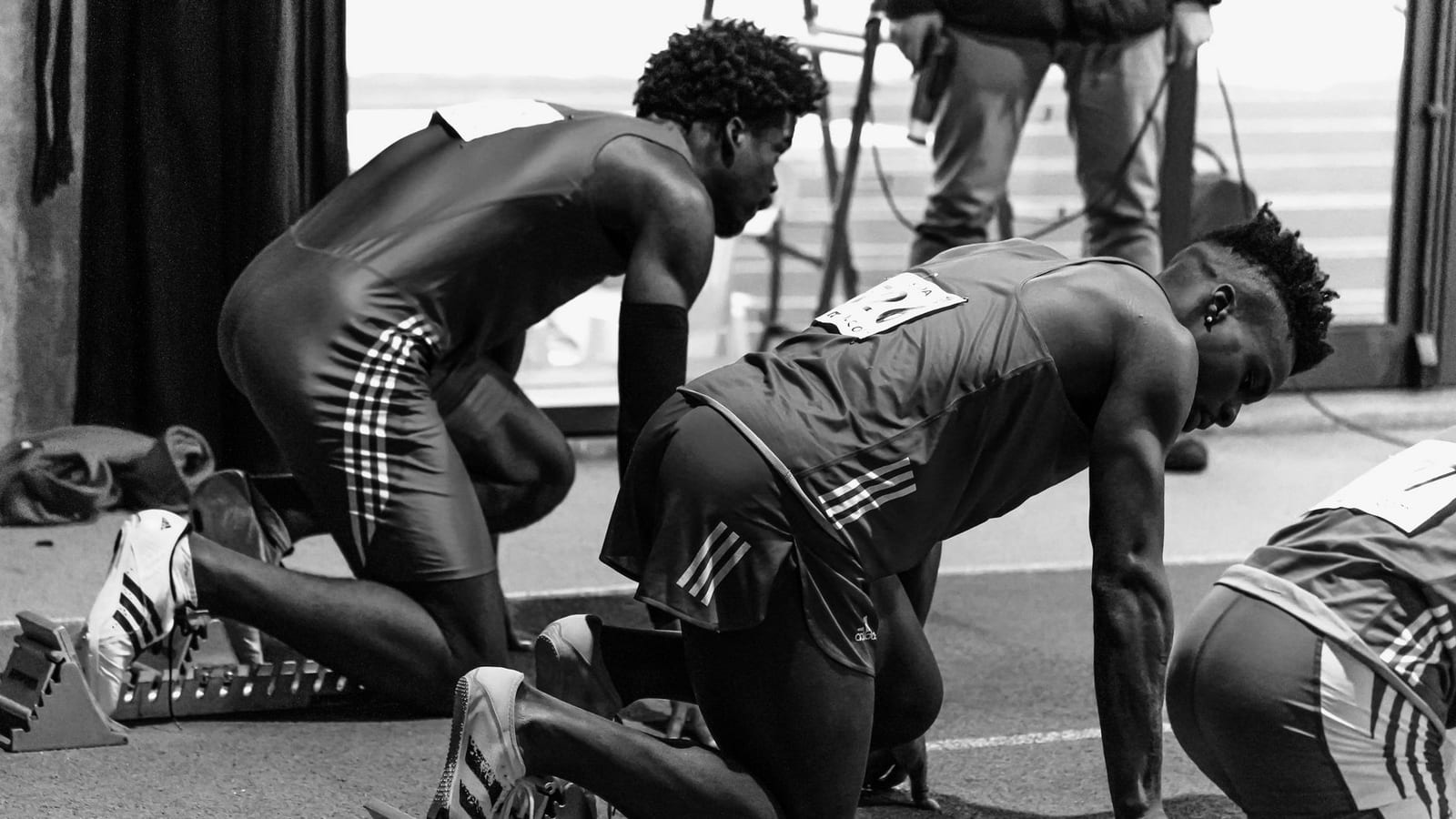
A 100m race lasts less than 10 seconds, yet it can keep the sport arguing for days.
Lamont Marcell Jacobs crossed the line in 9.67 seconds at the Austrian Open in Eisenstadt. That is not just fast. That is the kind of time that makes athletics people sit up straight.
But the clock came with a catch. The wind was too strong. So the performance stays thrilling, but not record-legal.
Jacobs runs a startling 9.67
Jacobs, now 31, produced the quickest 100m of his career on Wednesday. His stat line was simple and sharp: 9.67 seconds, first place, illegal tailwind.
For context, Usain Bolt owns the official world record at 9.58 seconds. He ran that in Berlin in 2009, when sprinting briefly looked like science fiction.
Bolt also has a wind-assisted 9.63 against his name. Jacobs’ 9.67 now sits in that rare territory where only a few men have ever visited, legal wind or not.
That matters because Jacobs has spent years carrying a strange burden. He won the Tokyo Olympic 100m gold, then had to keep proving it was no accident.
Indian fans understand that rhythm well. Win big once, and the country celebrates you. Win again, and people finally believe you.
The wind changes everything
The problem came from the tailwind. Race officials recorded it at +4.1 metres per second.
Athletics allows only +2.0 metres per second for record purposes. Anything above that helps sprinters too much, especially in the final 40 metres.
Think of it like batting with a strong breeze carrying the ball. The shot still needs timing, strength, and skill. But statisticians will not treat it like a normal boundary.
So Jacobs does not get a legal personal best. The record books will not place this 9.67 beside the cleanest marks in history.
Still, nobody should pretend the run means nothing. A wind-assisted 9.67 still demands rare power, sharp mechanics, and full racing confidence.
That is why coaches will study it. Rivals will notice it. And Jacobs’ camp will take the confidence, even if the official books stay cold.
How the race unfolded
Jacobs did not explode out of the blocks like a man chasing history. In the first few metres, others looked sharper.
Britain’s Romell Glave started well and finished second in 9.76 seconds. South Africa’s Wade van Niekerk, better known for his 400m greatness, came third in 9.83.
That detail makes the race more interesting. Jacobs did not simply blast away from the gun. He built his run.
Once he found his rhythm, the field changed shape quickly. He moved through the middle section with force and finished about a metre clear.
Japan’s Yoshihide Kiryu ran 9.99 for fourth. Germany’s Owen Ansah clocked 10.00 for fifth. Austria’s Markus Fuchs finished sixth in 10.09.
On paper, that is a strong sprint field. On the track, Jacobs made it look like a reminder.
Why this still matters
For Jacobs, this race lands at a useful time. Sprinters live on timing, but also on belief.
A legal 10.05 can keep a season alive. A windy 9.67 can change how a whole training group walks into the next meet.
The stopwatch may not bless the number, yet the body remembers it. The athlete knows what speed felt like under pressure.
That is important for a sprinter who has already seen both glory and doubt. Olympic champions often face a tougher second act than the first.
The first victory shocks the world. The years after that ask a more brutal question: can you stay there?
Jacobs’ answer in Austria was not official history. But it was loud enough.
Sprinting after the Bolt shadow
The men’s 100m still lives under Bolt’s shadow. Every fast time gets measured against that 9.58.
That is unfair, but sport loves unfair comparisons. Cricket did it with Sachin Tendulkar. Tennis did it with Federer, Nadal, and Djokovic.
Bolt bent the limits of the event. Everyone after him runs against the clock and the memory.
Jacobs is not Bolt. Nobody is. But 9.67, even with wind, tells the sprint world that he can still threaten the sharp end of major races.
For young athletes watching from India, that carries a smaller, useful lesson. Conditions matter. Official numbers matter. But confidence also matters.
A race can fail the record test and still pass the sporting test. Jacobs did not get a line in the record book, but he gave rivals something to think about.
The next question is simple. Can he take this speed into a legal wind, against a deeper field, when medals sit on the table? That is where the real story will run next.