Lorcan Tucker named Ireland T20I captain for India games
Lorcan Tucker will lead Ireland in the T20I series against India as the side looks to build towards the 2028 T20 World Cup.
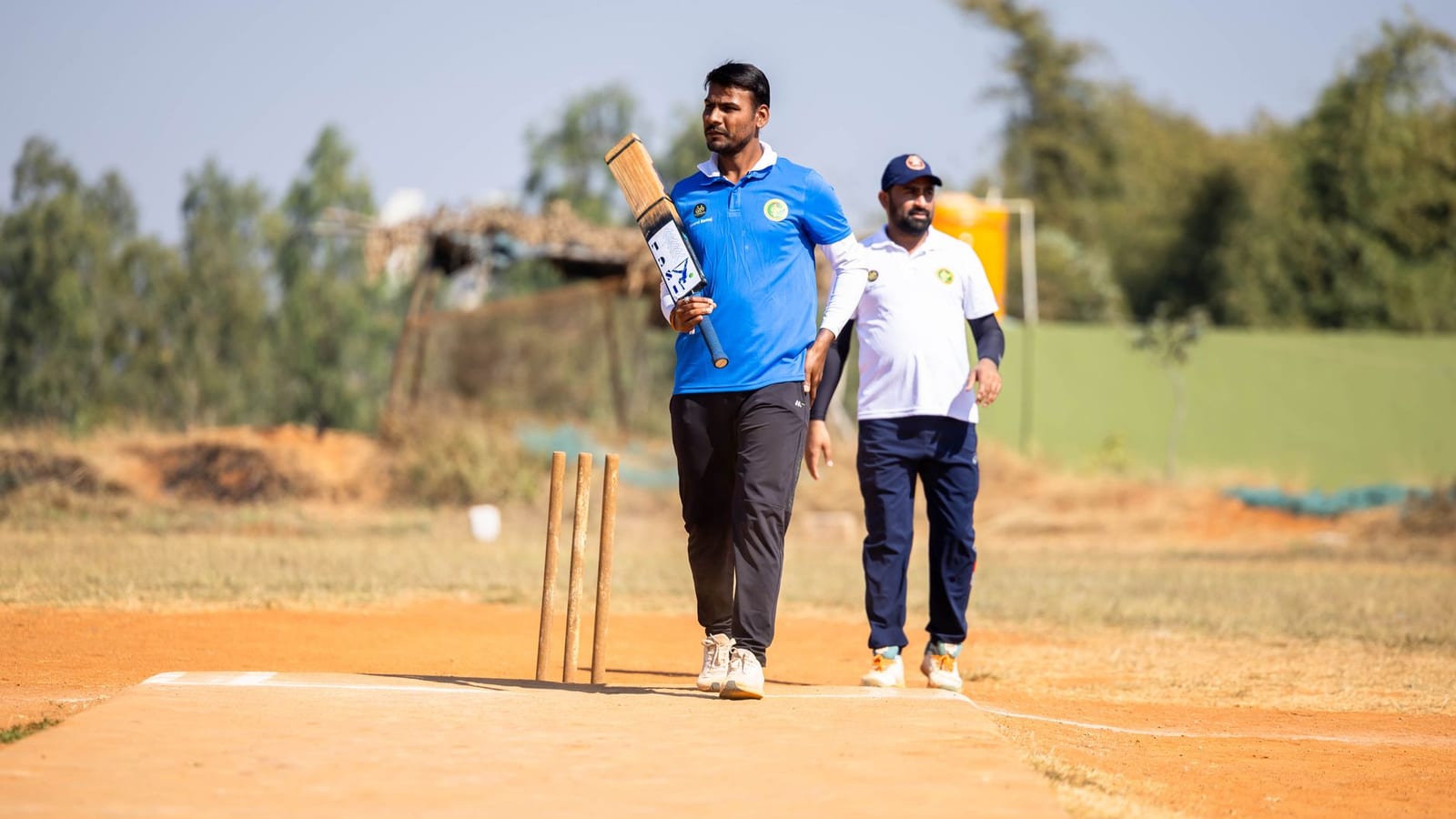
The most interesting name in Ireland’s squad is not one of the new boys. It is the man now carrying the clipboard, the gloves, and the pressure.
Lorcan Tucker will lead Ireland in the 2-match T20I series against Team India. For a wicketkeeper-batter who once only hoped to keep his place, this is a proper turning point.
India arrive under Shreyas Iyer, starting another T20 chapter after another reshuffle. Ireland, meanwhile, have used this series to announce their own future.
Tucker gets the long rope
Ireland have named Tucker as their permanent T20I captain, with an eye on the 2028 T20 World Cup. That detail matters.
This is not just a stand-in job for 2 matches. Ireland want him to shape a side that can grow over the next 2 years.
Tucker has led Ireland before in 2 matches. But temporary captaincy and permanent captaincy are different rooms altogether.
The first asks you to manage a day. The second asks you to build a dressing room.
Tucker sounded moved by the responsibility. He said leading his country at the international level was a huge honour. He also admitted he had never imagined this role coming his way.
That is the human bit sports often hides behind scorecards. A player spends years worrying about runs, form, and selection. Then one day, the team asks him to speak for everyone.
Three fresh faces enter
Ireland have also picked 3 new faces for the India series. Matthew Hollard and Jay Moondra have earned their first senior call-ups.
Ruben Wilson also comes into the T20I squad for the first time. He has already played Test cricket against New Zealand, so he is not completely new to the international stage.
Still, T20 is a different test. The format gives players very little time to breathe. One over can build a career. One over can bruise it.
For Hollard and Moondra, this series offers a clean doorway into senior cricket. India are not the easiest guests for a debut series, but that is also the attraction.
Young players remember such chances. They remember the first cap, the first ball faced, the first misfield, the first applause.
Ireland’s selectors have mixed experience with possibility. Ross Adair, Gareth Delany, George Dockrell, Harry Tector, and Tim Tector give the squad familiar shape.
The new names tell us Ireland are not treating this as a soft 2-match filler. They are testing depth against one of cricket’s deepest talent pools.
India begin another T20 chapter
India’s tour has its own intrigue. Shreyas Iyer leads a side that includes Vaibhav Suryavanshi, a young name carrying obvious curiosity.
Indian cricket rarely has a quiet transition. Every new T20 squad becomes a national debate before the first ball.
Fans look at captaincy, batting order, finishing options, and bowling combinations. They also look for clues about the next World Cup cycle.
That is why this Ireland series carries more meaning than the small schedule suggests. It gives India space to test ideas before moving to England.
For Ireland, India’s visit brings attention that smaller cricket nations do not always receive. A strong performance against India travels quickly across cricket’s conversation.
That matters for players, sponsors, broadcasters, and young Irish cricketers watching from home. Visibility can do for a sport what polite planning cannot.
The hard truth is simple. Associate and smaller full-member nations need big fixtures to keep their pipeline alive.
Belfast gets the stage
Both T20Is were listed for Belfast, with the opener on 26 June and the second match on 28 June.
A 2-match series can feel short, almost too short for a proper contest. But in T20 cricket, 40 overs are enough for a story.
Ireland’s basic squad line has clear balance. Tucker leads as wicketkeeper-batter. The squad includes Ross Adair, Ben Calitz, Gareth Delany, George Dockrell, Stephen Doheny, Matthew Humphreys, Gavin Hoey, Matthew Hollard, Liam McCarthy, Jay Moondra, Harry Tector, Tim Tector, and Ruben Wilson.
That gives Ireland batting options, all-round cover, and fresh bowling possibilities. The question is not whether they have names on paper. The question is who can handle India’s tempo.
India bring pressure in strange ways. Sometimes it comes through pace. Sometimes through spin. Sometimes through the sheer noise around the contest.
For a new captain, that is a useful exam. Tucker will need to judge bowling changes, protect newcomers, and keep the mood steady if India start fast.
A wicketkeeper-captain sees the game from close range. He watches batters’ feet, bowlers’ rhythm, and fielders’ nerves. That can help, if the mind stays uncluttered.
Ireland’s message is clear. Tucker is not only leading a series. He is being asked to lead a cycle.
For ordinary Indian viewers, this may look like a small tour before the bigger England assignment. But these fixtures often reveal tomorrow’s names before the wider public catches up. For Ireland, they offer ambition. For India, they offer audition. And for Tucker, they offer the first proper page of a captaincy story he did not expect to write.