Surat indoor stadium Navratri rent base cut to Rs 20 lakh
Surat Municipal Corporation has set a Rs 20 lakh base price for Navratri use of its indoor stadium, far below the Rs 70 lakh it once drew.
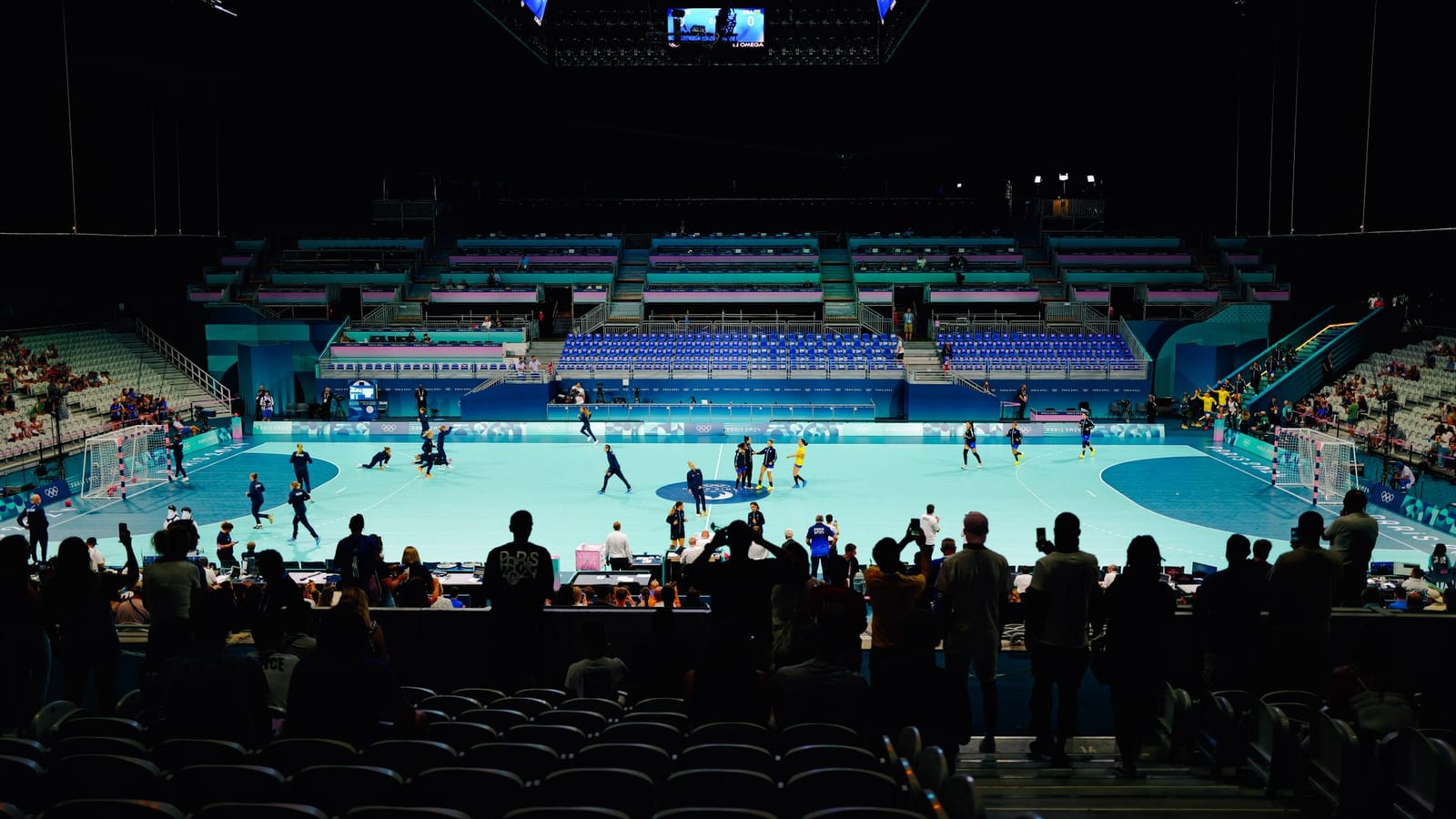
A ₹70 lakh venue slipping to a ₹20 lakh base price tells its own story. For Surat, this is not just about one indoor stadium. It is about how public assets can quietly turn costly when demand, maintenance and civic planning stop moving together.
The city’s indoor stadium, once able to fetch around ₹70 lakh, has now been put up for Navratri rental with a base price of only ₹20 lakh. For taxpayers, that gap matters. A civic asset does not become cheap in isolation. It usually means lower market confidence, weaker upkeep, or a venue that no longer fits what organisers want.
Surat stadium loses pricing power
Surat Municipal Corporation has started the tender process to rent out the indoor stadium for Navratri. The base price has been fixed at ₹20 lakh.
That number is the sharp point here. The same venue once earned about ₹70 lakh. In plain terms, the corporation is now willing to start bidding at less than one-third of that older earning level.
For a city like Surat, this is not small change. Surat runs on commerce, events, textiles, diamonds, food businesses and seasonal spending. Navratri alone creates work for decorators, sound vendors, security staff, caterers and transport operators.
When a public venue loses value, the loss does not sit only in a file. It affects how much money the civic body can earn without raising taxes or charges elsewhere.
A stadium becomes a “white elephant” when it costs money to maintain but struggles to earn enough. That phrase may sound dramatic, but the economics are simple. If upkeep stays high and rental income falls, citizens pay indirectly.
Why the ₹50 lakh gap matters
The fall from ₹70 lakh to a ₹20 lakh base price raises a basic question. Has demand weakened, or has the stadium become less attractive?
Event organisers do simple math. They look at rent, parking, access, air conditioning, permissions, crowd handling and expected ticket sales. If one or two of these fail, the venue becomes risky.
For small businesses around such events, risk travels fast. A food stall owner, a light vendor or a local travel operator plans stock and staff around footfall. Lower organiser confidence can mean smaller events and thinner earnings.
The corporation may still get bids above the base price. A base price only sets the floor. But even a lower floor signals caution from the civic side.
Public venues need steady reinvestment. Paint, toilets, fire systems, seating, sound rules and crowd movement all shape pricing. People may forgive an old venue. They rarely forgive a poorly managed one.
This is where Indian cities often stumble. They build public assets with big ambition, then treat maintenance as a leftover item. The result shows up later in reduced rentals and public frustration.
Rains expose wider civic stress
The stadium story landed as Surat faced another civic headache. Heavy rain left roads damaged at several places in just two days. The municipal commissioner issued notices to nine agencies.
That detail matters because roads and public venues sit in the same civic balance sheet. Both need planning, contracts, supervision and accountability.
In Dindoli, a 40-metre stretch of road reportedly caved in, trapping a truck. Local officials acknowledged that potholes and road sinking were visible.
For residents, this is not an abstract infrastructure debate. Parents carrying children through muddy stretches know the cost of bad roads. Shopkeepers near damaged patches lose customers before any official loss estimate appears.
Rain can be harsh. Gujarat’s monsoon often arrives with force. But every city knows this before the season begins. Pre-monsoon work exists precisely because rain is predictable.
When roads collapse soon after rain, citizens ask a fair question. Did the contractor fail, did supervision fail, or did the system accept weak work?
For business, poor roads are a tax by another name. Deliveries slow down. Vehicles break down. Customers avoid flooded markets. Small firms absorb these costs before anyone calls it an economic loss.
Public assets need business discipline
A civic body does not run like a private company. It cannot chase profit alone. But it must still respect basic business discipline.
If a stadium earns less, officials need to ask why. If roads fail quickly, they need to ask who signed off the work. If agencies receive notices, those notices must lead somewhere.
The public rarely sees the full contract trail. Who won the tender, what quality checks happened, and what penalties apply often stay buried in paperwork.
That opacity hurts trust. Citizens see the road cave in. They hear about a public venue losing rental value. Then they wonder whether anyone pays a real price for poor decisions.
Surat’s business community understands this better than most. Traders, factory owners and service providers live by delivery timelines. If they miss deadlines, customers move. Civic systems rarely face that kind of immediate market punishment.
Still, public pressure can create accountability. Notices to nine agencies show the administration knows the rain damage has political and financial weight. The harder part is follow-through.
The same principle applies to the indoor stadium. A lower base price may attract bidders this season. But it should also push a serious review of the asset.
What does the venue need to regain value? Better facilities, clearer event rules, improved access, stronger marketing, or more flexible pricing? Without answers, next year may bring the same story.
The taxpayer is the real investor
Every public stadium, road and community hall carries one silent investor, the taxpayer. People may not buy shares in these assets, but they fund them through taxes, fees and civic charges.
So when an indoor stadium loses earning power, citizens have a right to care. When roads cave in, they have a right to demand names, timelines and penalties.
The larger lesson from Surat is simple. Indian cities cannot keep building assets and then hope they age well on their own. Public infrastructure needs constant care, clear ownership and honest pricing.
For ordinary readers, this is where the story comes home. Better civic management does not only mean cleaner files. It means safer roads, livelier events, stronger local business and fewer hidden costs in daily life.