Coal India ships 51.44 mt coal to meet summer load
Coal India sent 51.44 million tonnes of coal to power plants in June as electricity use and peak demand rose sharply in summer.
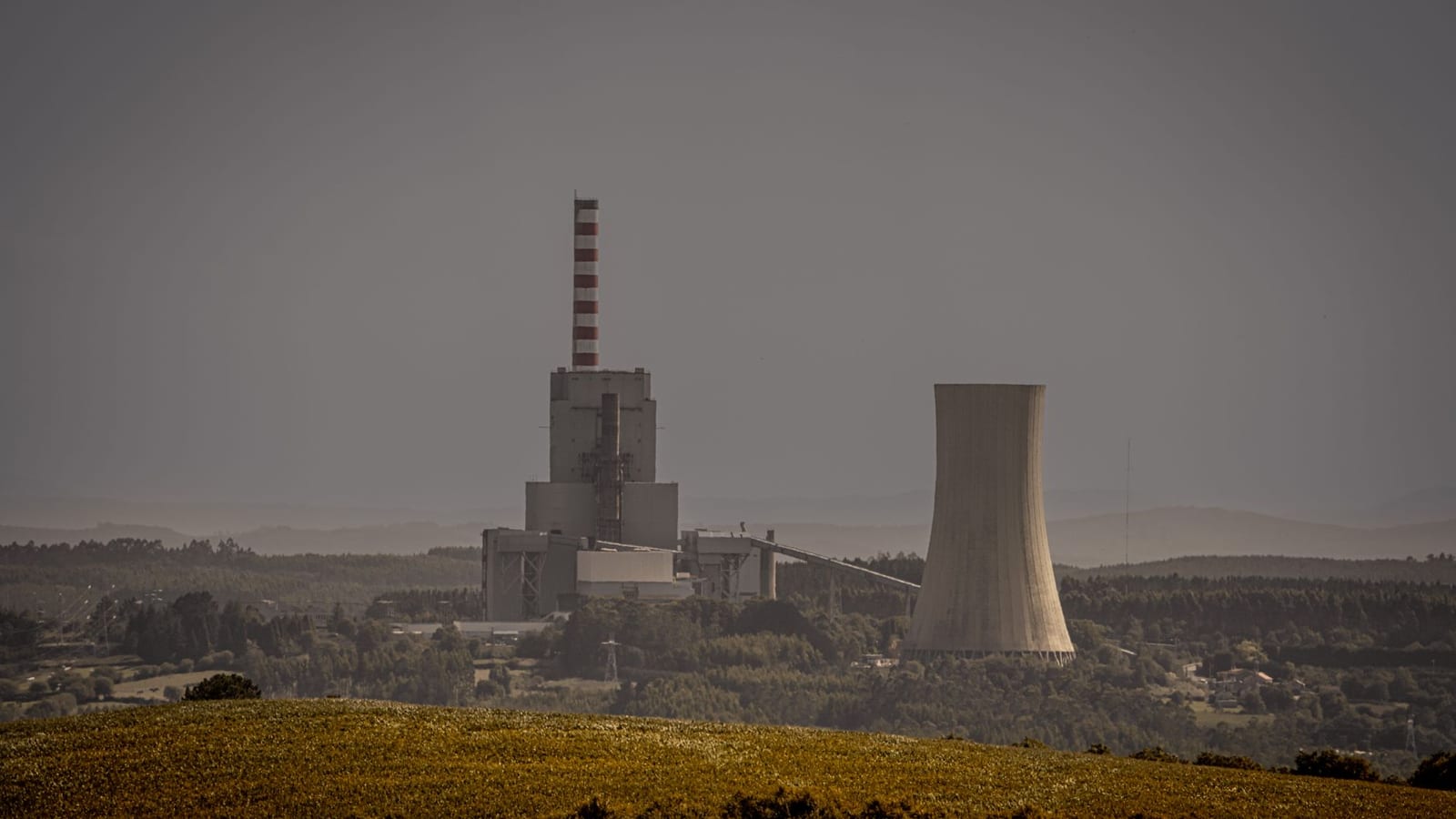
Every hot June evening has the same silent test for India’s power system: fans must run, offices must cool, factories must keep machines alive.
That pressure showed up clearly in Coal India’s June numbers. The state-run miner supplied 51.44 million tonnes of coal to power plants, up 5.9 percent from 48.57 million tonnes a year earlier.
For ordinary households, that number simply means this: India burned more coal to keep lights, air conditioners, pumps, shops, and trains running through peak summer.
Summer demand pushed coal higher
Coal India said power plants lifted more coal because electricity demand jumped sharply in June. Power consumption rose 11.62 percent to 166.46 billion units.
Peak power demand touched 264.76 GW, up from 242.77 GW in June 2025. That is the highest load the grid must handle at one point.
In plain English, India needed far more instant power during the hottest hours. That usually means coal plants run harder, because they still carry the grid’s base load.
Solar helps during the day, and wind helps when conditions favour it. But when demand stays high after sunset, coal still does the heavy lifting.
That is why Coal India’s dispatches matter beyond stock market screens. A delayed rake can mean tighter power supply for a town, a factory belt, or a farm feeder.
Non-power customers also bought more
Coal India’s total supplies rose 7.5 percent in June to 65.8 million tonnes. A year earlier, the figure stood at 61.2 million tonnes.
The bigger surprise came from the non-regulated sector. Supplies to this segment rose 14.8 percent to 14.50 million tonnes.
This includes industries outside the priority power sector, such as cement, steel, aluminium, and smaller industrial users. Many depend on steady fuel supply to protect margins.
For a cement maker, coal cost feeds directly into production cost. For a small foundry, it affects pricing, shifts, and working capital.
The first quarter numbers were steadier. Coal India supplied 154.75 million tonnes to the power sector in Q1 FY27, up 1.8 percent.
Total supplies in the quarter reached 197.7 million tonnes, up 3.5 percent from 191 million tonnes last year.
That tells us June was not just a routine month. Heat and demand gave dispatches a clear push.
Pithead stocks are finally moving
Coal India also said higher dispatches helped reduce pithead stock by 28.3 million tonnes in the quarter.
Pithead stock means coal lying near mines after extraction. It is useful as a buffer, but too much stock locks up money.
Coal lying at the mine also brings handling costs. It needs space, movement planning, and coordination with railways and buyers.
The company said it deliberately reduced this inventory. It wants mining and dispatches to match actual demand more closely.
That shift matters because Coal India has often faced two complaints at once. Users want dependable coal, while investors want better efficiency.
A demand-led model can improve cash use if Coal India executes it well. But it also needs sharper planning during heatwaves and monsoon disruptions.
India’s coal logistics still depend heavily on rail movement. So dispatch growth means little unless wagons, sidings, and plant-level stocks behave smoothly.
Solar bet widens the story
Coal India is also trying to look beyond coal, though slowly. The company secured a Letter of Award from Bundelkhand Saur Urja for a solar project.
The project will come up at Jalaun Solar Park in Uttar Pradesh. It includes two units of 300 MW each.
The tariff has been set at ₹2.73 per unit. That is cheaper than many older power contracts, though grid integration has its own costs.
Coal India said the project should be completed within 18 months after the power purchase agreement. The filing placed its value at ₹2,831.11 crore.
This is the odd, but necessary, future of India’s energy market. The country needs coal today, yet must build cleaner capacity for tomorrow.
For investors, this creates a mixed picture. Coal still pays the bills, but renewables shape long-term credibility.
For power consumers, the real question is simpler. Will the mix deliver reliable electricity without making monthly bills painful?
Profit growth meets pricing pressure
Coal India’s March quarter profit rose 11.15 percent to ₹10,839 crore. It had reported ₹9,751 crore in the same quarter last year.
Revenue from operations rose 5.75 percent to ₹46,490 crore. The year-earlier figure was ₹43,961 crore.
That looks healthy on the surface. Higher supplies, firm demand, and better dispatch discipline helped the company.
But pricing details deserve attention. Average e-auction realisation fell to ₹2,202 per tonne from ₹2,363 per tonne last year.
E-auctions are sales where buyers bid for coal. Lower realisation means Coal India earned less per tonne in that channel.
Its overall average coal price also slipped by ₹23 to ₹1,597.85 per tonne. That is small per tonne, but large at Coal India’s scale.
So the market will watch volume and price together. More tonnes help, but weaker realisation can limit profit growth.
Coal India has set a production target of 815 million tonnes for FY27. It also aims to supply 850 million tonnes during the year.
Those are large targets, and they assume demand remains strong. They also assume transport bottlenecks do not spoil the plan.
For retail investors, the lesson is not to see Coal India only as a dividend stock. It is also a live reading of India’s power demand.
If summers get harsher, electricity use will rise faster. If industry expands, non-power coal demand will stay firm.
But if renewable capacity, storage, and grid upgrades accelerate, coal demand growth may become less predictable.
That is the real story behind one month’s dispatch data. India is still using coal to keep daily life moving, from metro apartments to small factories. The transition has begun, but the fan in a middle-class home still depends on whether the old energy machine works on time.