Functional Foods plans IPO for two new factories
Functional & Innovative Foods plans to use IPO proceeds for plants in Tamil Nadu and Madhya Pradesh as ready-to-cook demand grows.
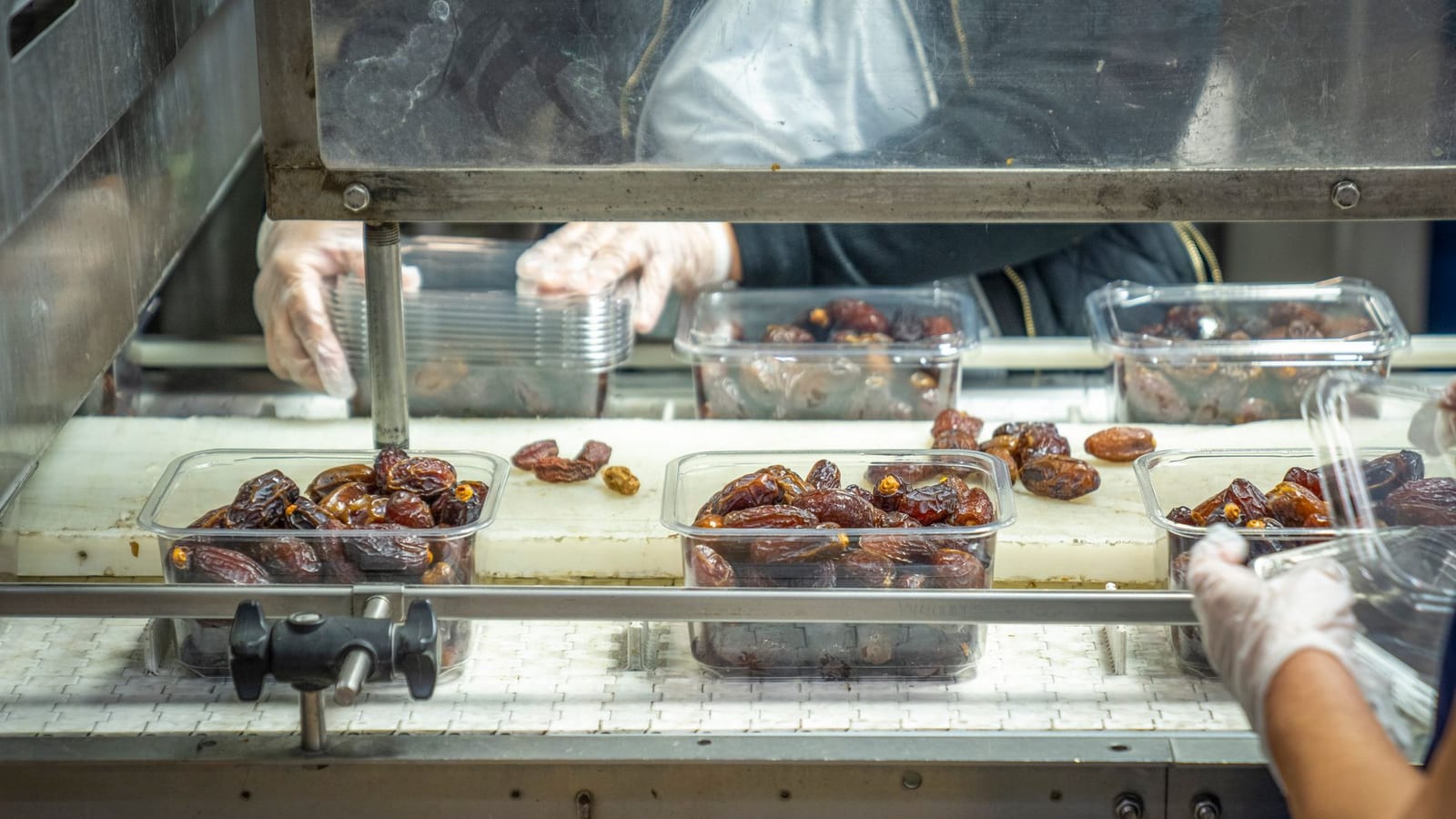
Eighty-five lakh shares can look like a dry market filing. But in food, that number can mean new factories, faster packed meals, and more private-label brands on supermarket shelves.
Functional & Innovative Foods has filed draft IPO papers with the Securities and Exchange Board of India. The company wants to sell up to 85 lakh equity shares, including 60 lakh fresh shares.
For shoppers, this is not just another listing queue story. It sits inside a bigger shift in Indian kitchens. More families now buy ready mixes, staples, spices, sugar alternatives, and ready-to-cook food.
What the IPO money will do
The company plans to use the fresh issue money for two new manufacturing units. One will come up at Namakkal in Tamil Nadu. The other is planned at Dhar in Madhya Pradesh.
That matters because food manufacturing is a scale business. Once orders rise, a company needs plants, packaging lines, quality checks, and steady working capital. A good recipe alone does not fill lakhs of packets.
The IPO also includes an offer for sale of up to 25 lakh shares. In plain English, existing shareholders will sell part of their stake. That money goes to those sellers, not to the company.
The fresh issue is different. That is the part which brings new capital into the business. Functional & Innovative Foods said it will also use funds to repay some borrowings and meet long-term working capital needs.
The contract food factory story
Functional & Innovative Foods works as a food contract manufacturer. That means it makes products for other businesses, including young brands and larger FMCG companies.
Think of a small brand that wants to sell millet mixes or a sugar alternative. It may not want to build a factory on day one. A contract manufacturer can handle formulation, production, packing, and delivery standards.
This model has grown because Indian consumption has changed. Urban families want convenience. Working couples want shorter cooking time. Even in smaller cities, packaged staples and mixes have moved from occasional buys to regular kitchen items.
The company operates through private-label and full-service manufacturing arrangements. Private label means a retailer or brand sells the product under its own name. The factory stays mostly behind the scenes.
Why the subsidiary matters
The company also plans to put money into Christy Quality Foods, its wholly owned subsidiary. The funds may come as debt or equity.
Christy Quality Foods makes and sells branded food products under Nallas. The brand has a distribution network in Tamil Nadu, which gives the group a direct consumer-facing leg.
That is useful, but it also changes the risk profile. A contract manufacturer earns from business clients. A consumer brand needs shelf space, recall, distribution muscle, and steady marketing.
The IPO proceeds may also help Christy Quality Foods repay part of its debt. For investors, debt repayment is usually a cleaner use of money than vague expansion talk. Lower debt can reduce interest costs and free up cash.
The numbers investors will read
For the year ended March 31, 2025, Functional & Innovative Foods reported revenue of ₹2,601.17 million. That is about ₹260 crore.
Its EBITDA stood at ₹338.29 million, or roughly ₹33.8 crore. EBITDA is a rough measure of operating profit before interest, tax, depreciation, and amortisation.
The company reported profit after tax of ₹232.22 million, which is about ₹23.2 crore. That gives it a profit margin near 9 percent.
For the nine months ended December 31, 2025, revenue stood at ₹2,324.43 million, or about ₹232.4 crore. Profit after tax rose to ₹256.08 million, or about ₹25.6 crore.
That is the eye-catching part. Nine-month profit was higher than the previous full-year profit. Investors will want to know why. Better product mix, lower costs, higher volumes, or one-off factors can all move margins.
What retail investors should watch
The draft filing is only the first public step. A price band, valuation, lot size, and listing timeline will come later.
That is where retail investors must slow down. A profitable company can still be expensive if the IPO price assumes too much future growth.
Investors should compare the final valuation with listed FMCG suppliers, food processors, and small manufacturing peers. The key question is simple. How much profit is the market being asked to pay for today?
They should also watch customer concentration. If a few large FMCG clients drive a large share of sales, one lost contract can hurt. If the client base is spread out, the business may carry less shock risk.
Beeline Capital Advisors will act as the book-running lead manager. KFin Technologies will serve as registrar, handling investor applications, allotment work, and related records.
SEBI’s role is to examine disclosures. It does not tell investors whether the IPO is a good buy. That decision rests on price, business quality, debt, growth, and risk.
For ordinary readers, this filing says something larger about India’s food economy. The next big packaged food story may not always come from a famous brand. It may come from the factory that quietly makes what lands in the packet.