Sensex, Nifty rise nearly 1% despite rupee pressure
Indian shares ended the week higher as real estate and healthcare stocks gained, while a weaker rupee kept investors cautious on import costs.
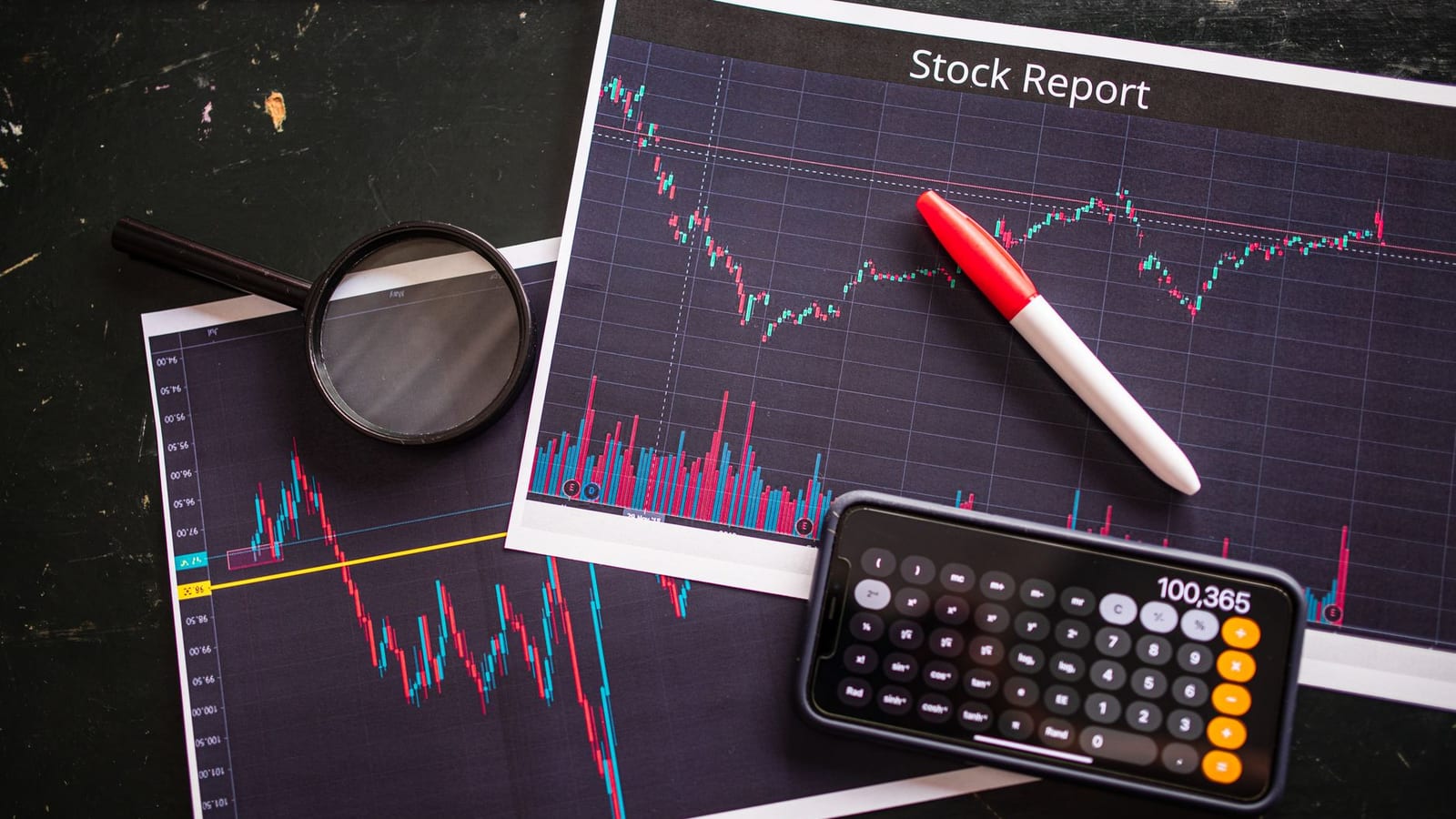
A ₹5 lakh stock portfolio did not exactly fly this week, but it likely ended a little greener. Indian shares gained close to 1 percent, which means roughly ₹5,000 more on that portfolio, before costs and stock choices.
That sounds pleasant over chai. But the market was not celebrating loudly. It was more like a cautious nod from investors who liked cheaper crude oil, better buying in real estate, and calmer global cues.
The problem sat in the currency market. The rupee weakened sharply against the dollar, reminding everyone that a stock rally can look less comfortable when India’s import bill gets heavier.
Realty stocks carry the week
The Bombay Stock Exchange’s Sensex rose 0.34 percent on Friday to close at 77,763.94. The National Stock Exchange’s Nifty 50 gained 0.39 percent and ended at 24,270.85.
For the full week, Indian markets rose nearly 1 percent. That is not a roaring rally, but it matters after a period when investors had grown jumpy.
The strongest push came from real estate shares. The BSE Realty index jumped 7.8 percent during the week. Healthcare rose 3.1 percent. Consumer durables and discretionary stocks also gained about 2 percent each.
This tells us something simple. Investors bought companies linked to homes, health, and household spending. These are areas where domestic demand matters more than grand global stories.
Tanvi Kanchan of Anand Rathi Share and Stock Brokers said gains in realty, healthcare, and consumer shares reflected cooler crude prices, lower geopolitical anxiety, and hopes of better local demand.
That matters for ordinary investors because sector choice did most of the work. If someone owned the wrong pockets of the market, this week may not have felt like a rally at all.
The rally was selective
The market’s weakness appeared clearly in capital goods and power stocks. Capital goods fell 2.7 percent, while the power index slipped 2.6 percent.
These are not minor sectors. Capital goods companies sell machinery, equipment, and industrial systems. Their performance often hints at how confident companies feel about expanding capacity.
Power stocks had also enjoyed a strong run earlier. When such sectors fall after a rise, investors often call it profit booking. In plain English, people who made money earlier took some chips off the table.
Kanchan said the weakness looked more like profit booking than a deeper crack in the business cycle. That is an important distinction. A pause is not the same as a breakdown.
Rajesh Singla, founder and chief executive of Alpha AMC, described the move as sector rotation, not a broad market uptrend. That is the market’s way of saying money is shifting seats, not filling the whole theatre.
He said lower crude prices and softer commentary from the US Federal Reserve helped realty and consumption shares. But he also warned that earnings will decide whether this move lasts.
That is the real test now. June-quarter results will show whether demand is actually holding up, or whether investors ran ahead of the numbers.
Cheaper crude gave relief
Crude oil prices fell to $72.70 a barrel from $75.07 a week earlier. For India, that is not just a market statistic. It affects the country’s fuel import bill, inflation pressure, and currency mood.
India imports most of its crude oil. When oil becomes cheaper, India spends fewer dollars buying it. That gives the rupee some support and reduces pressure on government finances.
It can also help households, though not always quickly. Cheaper crude may cool transport and input costs over time. That can influence grocery prices, airline fares, and company margins.
The India VIX, often called the fear gauge, also eased to 11.79 from 13.05. This index measures expected market swings. When it falls, traders expect fewer sharp moves.
That calmer mood helped equities. Investors are usually more willing to buy when they think the next day will not bring a nasty surprise.
Still, a lower fear gauge does not mean risk has vanished. It only means the market is less nervous for now. That can change quickly if global rates, crude, or currency trends turn hostile.
Rupee weakness clouds the mood
The rupee weakened 0.92 percent during the week to 95.223 against the dollar. Among major global peers tracked in the data, only the Russian ruble performed worse.
For a family planning foreign education, that number bites directly. A weaker rupee means more rupees for the same dollar fee. For companies importing oil, electronics, or machinery, it raises costs.
Kunal Sodhani, head of treasury at Shinhan Bank India, said the rupee’s weakness came from more than broad dollar strength. He pointed to the RBI’s large short forward dollar position.
That sounds technical, but the idea is simple. The central bank has currency contracts that can affect dollar demand in the market. As these positions unwind, buyers may need more dollars in the spot market.
Sodhani said this could keep pressure on the rupee. He also warned that a long period of depreciation may hurt foreign investor mood and Indian stocks.
Foreign portfolio investors think in dollars. If Indian shares rise but the rupee falls, their dollar returns shrink. That can make India look less attractive, even when local indices are higher.
This is why a weak rupee can quietly spoil an equity rally. Retail investors may see green on their apps, but foreign money may see a less flattering picture.
Global peers sent mixed signals
Indian equities did better than several Asian and emerging-market peers this week. Benchmarks in Indonesia, China, Brazil, and South Korea fell between 0.3 percent and 4 percent.
But India lagged Taiwan, Germany, Hong Kong, and the S&P 500, which gained between 2 percent and 5 percent. So India looked resilient, but not exceptional.
Taiwan’s strength came largely from artificial intelligence and semiconductor stocks. Indian benchmarks have far less weight in those sectors, so they missed that global tech lift.
The Nasdaq also gained after a period of selling in technology shares. This matters because global tech mood often shapes risk appetite across markets.
For India, the more immediate triggers remain closer to home. Monsoon progress, crude prices, foreign investor flows, and June-quarter earnings will set the next tone.
A good monsoon can support rural demand and ease food inflation. Better earnings can convince investors that stock prices are not running on hope alone.
For now, Dalal Street has bought itself some breathing room. But this was not a market-wide victory lap. It was a narrow recovery led by realty, healthcare, and consumption, while the rupee flashed amber. For ordinary investors, the lesson is plain: celebrate the weekly gain, but watch the currency, crude, and earnings before assuming the rally has found firm ground.