Khamenei Procession Tests Tehran Clerical Power
Iran begins a multi-city funeral route for Khamenei, turning mourning across Tehran, Qom, Karbala and Mashhad into a test of power.
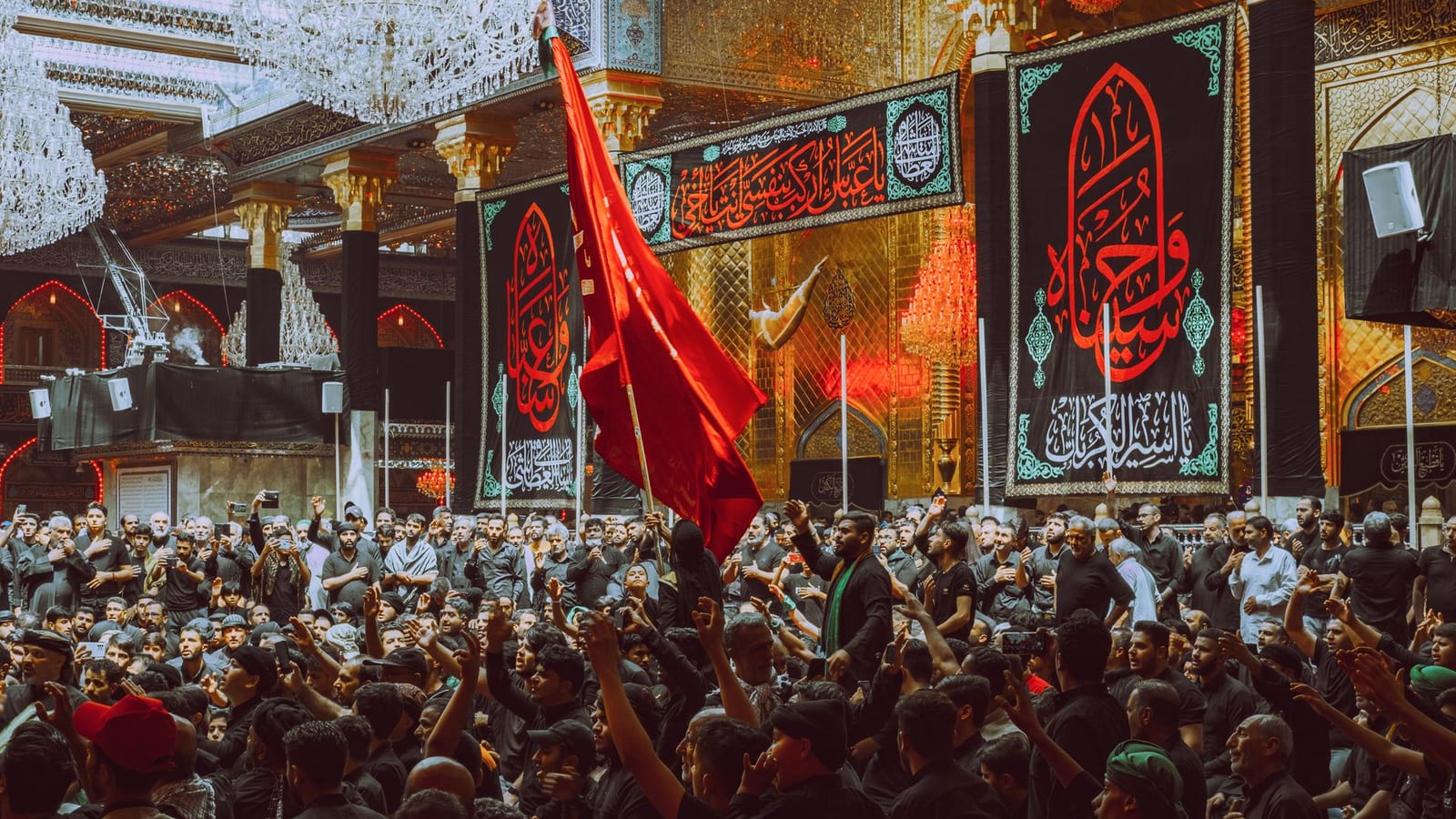
Tehran is not just preparing for a funeral. It is preparing for a public test of power.
Months after Ayatollah Ali Khamenei was killed in the US-Israeli war, Iran will begin days of mourning on Saturday. His body will move through Tehran, Qom, Karbala and finally Mashhad.
For India, this is not distant theatre. Iran sits close to our energy worries, West Asian diplomacy, pilgrim routes and trade calculations.
A funeral across sacred cities
Iranian authorities have planned a long ceremonial route. Khamenei’s body will first be kept at Tehran’s Grand Mosalla over the weekend.
On Monday, it will move through the capital’s streets. Then it will travel to Qom, the powerful Shia seminary city about 120 km south of Tehran.
From there, the route moves to Karbala in Iraq. For Shia Muslims, Karbala carries deep religious meaning because it houses the shrine of Imam Hussein.
The final burial will take place at the Imam Reza shrine in Mashhad, one of Iran’s most important pilgrimage centres.
That route is not accidental. It ties Khamenei’s political life to Iran’s clerical heartland and Shia memory.
The crowd is the message
Every state funeral says something. In Iran’s case, the size of the crowd may matter almost as much as the ceremony itself.
The establishment will want packed streets. Government employees, loyalists and paramilitary groups may be pushed to attend.
That matters because Iran saw major protests in late 2025. Activists say security forces killed thousands during that crackdown.
So this funeral becomes a show of control. The state wants to say it still commands the street.
But large crowds carry real risks. Khomeini’s 1989 burial saw chaos after millions turned up.
In 2020, a stampede during General Qassem Soleimani’s funeral killed dozens. Iranian officials will remember both events closely.
Khamenei’s long shadow
Khamenei took charge in 1989 after Ayatollah Ruhollah Khomeini’s death. Many saw him then as a weaker religious figure.
He proved far more durable than expected. Over decades, he built a system where clerical authority, security power and ideology fed each other.
The Revolutionary Guard became central to that system. It grew into a military force, political player and business giant.
Under Khamenei, Iran also backed armed groups across West Asia. Hezbollah in Lebanon, Hamas in Gaza, Yemen’s Houthis and Iraqi militias all formed part of this strategy.
Iran called this network the “Axis of Resistance”. Israel and the United States saw it as Tehran’s long arm across the region.
That network has taken heavy blows since Hamas attacked Israel on October 7, 2023. Hamas and Hezbollah both emerged weaker from the wars that followed.
Nuclear pressure and succession doubts
Khamenei also defended Iran’s nuclear programme through sanctions and pressure. He said nuclear weapons were un-Islamic, but refused to give up enrichment.
The 2015 nuclear deal reduced Iran’s stockpile in return for sanctions relief. Donald Trump pulled the United States out in 2018.
After that, Iran built up uranium enriched close to weapons-grade levels. That alarmed Israel, Washington and Gulf capitals.
The funeral now comes during a fragile ceasefire. An interim deal signed in June opened a 60-day window for talks.
Those talks include Iran’s nuclear programme and the Strait of Hormuz. That narrow waterway matters to global oil flows.
For Indian consumers, this is where geopolitics reaches the petrol pump. Trouble in the Gulf often travels quickly into fuel bills.
Succession adds another layer. Khamenei’s son, Ayatollah Mojtaba Khamenei, has been chosen as the next supreme leader.
But he has not appeared publicly since the strike that killed his father. Reports say he may have been wounded.
If he appears during the ceremonies, it will signal confidence. If he stays hidden, uncertainty will grow.
What India should watch now
India has long walked carefully with Iran. We have energy interests, regional security concerns and old civilisational links.
Chabahar port has also kept Iran relevant to India’s connectivity plans. It gives India a route toward Afghanistan and Central Asia.
But sanctions and conflict keep making that relationship harder. Every escalation forces New Delhi to balance Washington, Tehran and Gulf partners.
For ordinary Indians, Iran may feel far away. Yet its crises often arrive through higher oil prices, delayed travel or tighter regional security.
For Shia pilgrims, traders and families with West Asia links, the funeral route will carry sharper meaning.
Khamenei’s burial will close one chapter. It will not settle Iran’s future.
The real question starts after the mourning ends. Can Iran’s new leadership command loyalty, calm the streets and negotiate abroad at once? For a country under pressure from outside and anger within, that may prove harder than filling a funeral route.