Iran braces for millions at Khamenei farewell in Tehran
Iran is preparing a massive three-day public tribute for Ali Khamenei in Tehran, a show of state power with regional implications for India.
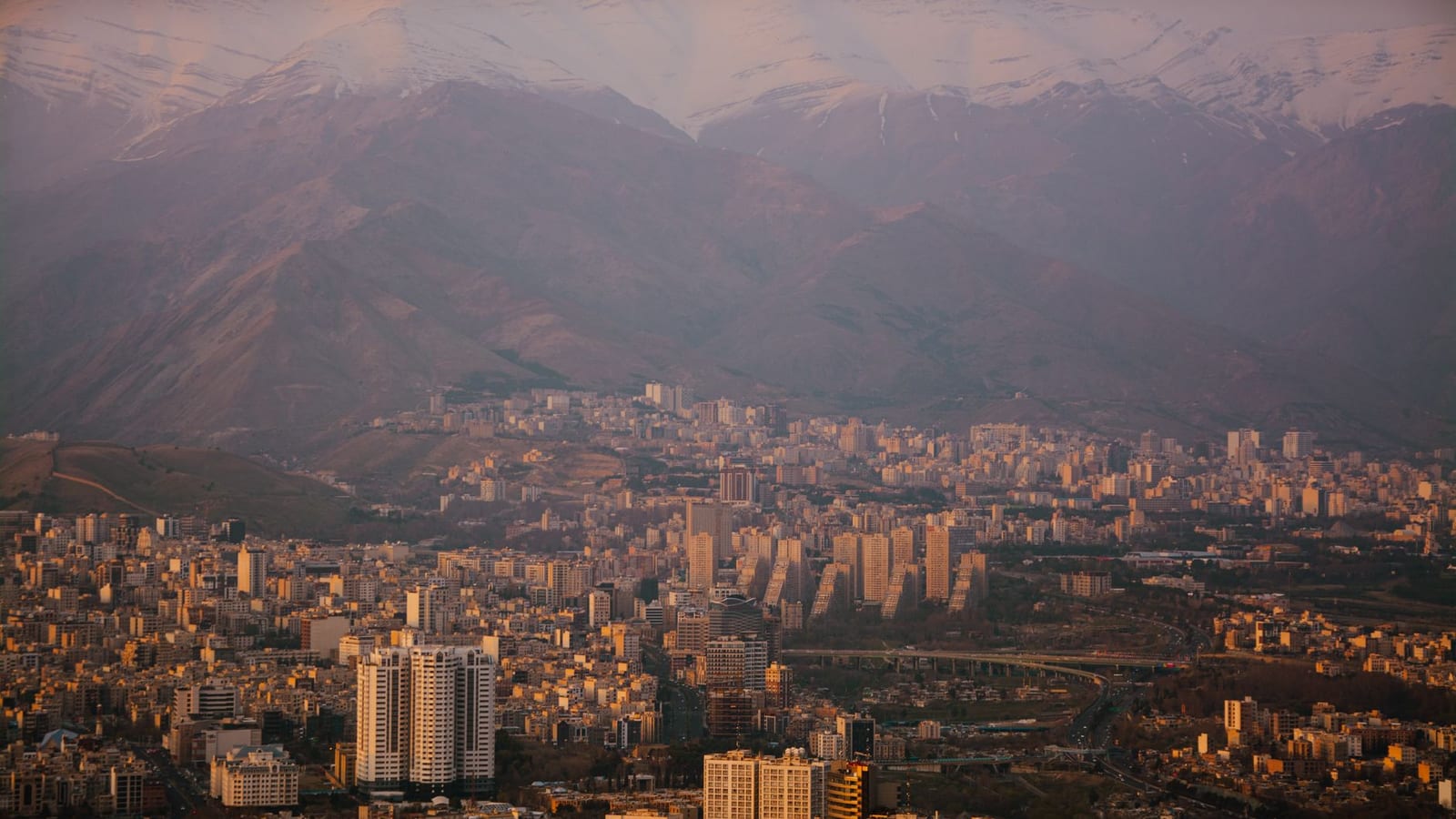
The coffin of Ali Khamenei has turned Tehran into a locked-down theatre of grief, power, and warning.
Iranian authorities expect 15 million to 20 million people in the capital alone. That is not just a funeral crowd. It is a political message, aimed at enemies outside and doubters inside.
For India, this matters beyond West Asia headlines. Iran sits on our energy map, trade routes, and regional security puzzle. When Tehran shakes, New Delhi has to watch the aftershocks.
Tehran prepares for a massive farewell
The former Supreme Leader’s body reached a religious complex in Tehran on Friday, July 3. The three-day public tribute begins on Saturday morning.
Officials have placed the coffin inside the Grand Mosalla, a huge prayer complex. The body will remain there day and night until Monday.
The setting carries heavy symbolism. Large portraits of Khamenei line the walls. Black flags mark mourning. Red flags signal martyrdom and revenge.
Iran wants this farewell to look historic. Officials expect it to surpass even Ruhollah Khomeini’s funeral in 1989, which drew around 10 million people.
That earlier funeral also brought tragedy. Crowd crushes killed more than 10 people, by official figures. Tehran now faces the challenge of managing grief at impossible scale.
A funeral shaped by war
Khamenei died at 86 on February 28, when strikes hit his residence. Iranian officials blamed the United States and Israel, Tehran’s two main enemies.
His funeral was first planned for March. The war forced authorities to delay it. That delay has only increased the political weight of this moment.
The coffins of several family members stand beside his. They include a daughter, a son-in-law, a daughter-in-law, and a granddaughter.
Iranian media also showed Ahmad Vahidi paying respects. He heads the Revolutionary Guards, one of the region’s most powerful military forces.
His appearance mattered because he had stayed mostly out of public view. In wartime Tehran, invisibility can be a survival tactic.
On Monday, a procession will carry Khamenei’s body through Tehran’s streets. On Tuesday, it moves to Qom, one of Shia Islam’s most important cities.
The final burial is planned for July 9 in Mashhad, his home city. His body will also be shown in Iraq, where Shias form the majority.
Foreign guests send messages too
Funerals of powerful leaders are never just about mourning. They become maps of influence.
Afghanistan’s Taliban foreign minister paid respects on Friday, state television showed. So did Ahmad Massoud, a leading opponent of Taliban rule.
That contrast says plenty. Iran has had a difficult relationship with the Taliban since 2021. Yet Tehran has recently worked more closely with Kabul, especially on migration.
Iran has asked millions of undocumented Afghans to leave its territory. That issue carries deep human pain, from border towns to crowded city neighbourhoods.
Pakistan also sent a high-profile delegation. Prime Minister Shehbaz Sharif arrived with army chief Asim Munir.
Pakistan has been acting as a mediator in talks between Iran and the United States. That gives Islamabad a visible role at a tense moment.
Representatives from around 30 countries are expected. Russia’s Dmitry Medvedev and China’s He Wei are among the names listed.
Delegations from Hezbollah and Hamas also visited. Their presence underlines Iran’s older network of regional allies and armed partners.
For India, this guest list is worth reading closely. It shows who wants access to the next Tehran. It also shows who can still stand beside Iran openly.
Mojtaba’s silence raises questions
Khamenei’s son, Mojtaba Khamenei, succeeded him in early March as Supreme Leader, according to Iranian authorities.
Yet his public absence has become a story of its own. Officials have not confirmed whether he will attend the funeral.
He was injured in the strikes that killed his father. Since then, he has communicated only through statements attributed to him.
In a system built around visible authority, that silence matters. Iran’s Supreme Leader is not a ceremonial figure. He sits above elected offices and security institutions.
Ordinary Iranians will watch for signs of control. So will diplomats, oil traders, intelligence agencies, and neighbouring capitals.
This comes six months after major protests over prices and political anger. Many Iranians have been under pressure from sanctions, inflation, and job uncertainty.
A funeral can unite a country for a few days. It cannot automatically solve bread-and-butter anger.
Why India should watch closely
India’s Iran policy has always required balance. New Delhi has ties with Tehran, Washington, Israel, and Gulf Arab states.
That is not easy diplomacy. It is like holding four hot cups of chai on a crowded train.
Iran matters to India for energy, connectivity, and security. The Chabahar port project remains central to India’s access to Afghanistan and Central Asia.
A tense Iran also affects shipping and oil markets. Even rumours from the Gulf can move prices.
For Indian families, that can show up quietly. Petrol bills rise. Freight costs increase. Imported goods become costlier. Inflation gets another excuse.
The timing also carries symbolism. The funeral begins on July 4, when the United States marks its 250th year.
Iran’s foreign ministry spokesperson Esmaeil Baghaei framed attendance as a moral choice. He accused Western powers of backing Israel and America against Iran.
That language will harden positions. It may also narrow room for compromise, at least during the mourning period.
Still, diplomacy often moves behind locked doors while slogans fill the streets. Pakistan’s role as mediator points to that reality.
Tehran has become a fortress for these ceremonies. Security forces have blocked large areas. The airport faces closures. Monday is a national holiday across Iran.
Shops and businesses have been forced to shut. For many citizens, grief and inconvenience will arrive together.
That is the part grand politics often hides. A huge funeral can project unity. But daily life still asks simple questions about wages, food, rent, and safety.
For India, the practical lesson is clear. West Asia is entering another uncertain stretch, and Iran’s transition will not stay inside Iran. New Delhi will need patience, quiet channels, and a steady eye on ordinary Indians who feel global shocks first through prices, jobs, and fuel bills.