Kyiv rescuers search rubble after 30 killed in strikes
Ukraine says at least 30 people died and more than 90 were injured after Russian drones and missiles struck Kyiv, damaging about 130 buildings.
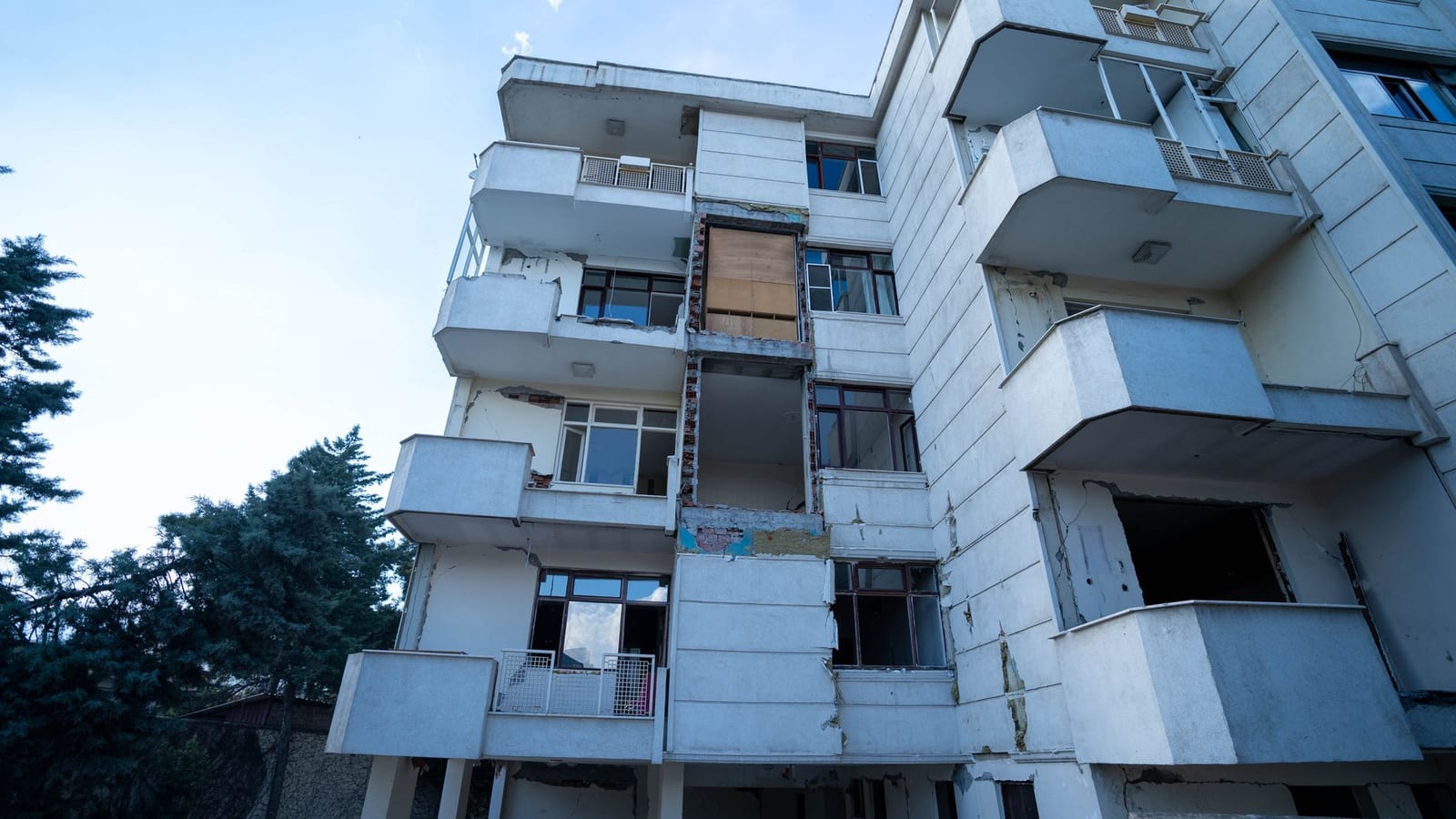
A child under two died in Sumy, while Kyiv’s rescuers were still digging through concrete and dust. That is how this war keeps shrinking the distance between strategy and ordinary life.
The latest Russian air assault on Ukraine has pushed the death toll in Kyiv to at least 30, Ukrainian emergency officials said. More than 90 people were injured after hundreds of drones and dozens of missiles hit the capital early on Thursday.
Around 130 buildings suffered damage. For families sleeping in apartment blocks, this was not a front line. It was home.
Kyiv counts its dead
Ukrainian officials called it the deadliest attack on Kyiv this year. Tymur Tkachenko, head of the city’s military administration, said rescue teams were still searching the rubble for missing people.
That detail matters. In these attacks, the first number is rarely the final number. A building falls, relatives wait, and rescuers work through broken staircases and crushed rooms.
Russia has used this pattern for months. It mixes drones with missiles, forcing air defences to choose what to stop first. Cheap drones drain attention and ammunition. Faster missiles then test the gaps.
For Indians, this is not distant military theory. It shows how modern wars now target daily life. Power systems, hospitals, apartment blocks and transport routes become pressure points. The aim is not only to win ground. It is to exhaust a society.
Strikes spread beyond the capital
The violence did not stop with Kyiv. In Sumy, near Ukraine’s north-eastern border, regional military chief Oleh Hryhorov said a Russian drone hit a residential building. Two women, an elderly man and a toddler were killed.
In Kryvyi Rih, officials said seven people were injured after a Russian missile landed in a crowded residential area. Dnipropetrovsk also reported deaths and injuries after drone, artillery, glide bomb and missile attacks.
Zaporizhzhia saw seven people injured in a drone strike, regional governor Ivan Fedorov said. Four of them were minors, aged between six and 16.
Moscow’s occupation authorities also said 12 people were injured when a drone hit a bus in occupied Lysychansk. Ukraine had not confirmed that account.
This is the grim fog around the war. Both sides release information fast. Some details later change. But the broad picture is clear enough. Civilians keep paying the price.
Zelensky wants Patriot production
Volodymyr Zelensky now wants Ukraine to produce Patriot missiles, either inside the country or with European partners. He said Ukraine needs its own production if it wants to protect lives properly.
That may sound like a technical defence issue. It is actually a survival question.
Patriot systems can intercept ballistic missiles, among the hardest weapons to stop. But the launchers are only half the story. The missiles used by them are expensive and limited in supply.
Ukraine has received Patriot systems from the United States and Iris-T systems from Germany. Yet every major Russian strike burns through valuable interceptor missiles. Once stocks run thin, even the best defence system becomes less useful.
Ukraine’s defence ministry has called ballistic missile defence a central challenge. Defence Minister Mykhailo Fedorov has reportedly contacted nearly 40 partner countries. Kyiv wants Patriot missiles from existing stocks now, with future deliveries used to replace them later.
For India, the lesson is blunt. Air defence cannot depend only on imported equipment. In a long conflict, supply chains become weapons. Countries that cannot produce key parts at home remain exposed.
That is why India’s own debates on missiles, drones and local defence manufacturing are not abstract. Ukraine is showing what happens when a nation fights a high-tech war while depending on friendly capitals for ammunition.
Europe tightens pressure on Moscow
The European Union is preparing fresh sanctions after the latest strikes. EU foreign policy chief Kaja Kallas said she would propose action against groups helping Russia’s military-industrial complex.
The planned measures are expected to target entities linked to drone components, including those used in Shahed and Geran-type systems. These drones have become a central part of Russia’s attacks on Ukrainian cities.
Kallas said condemnations alone will not stop strikes on Kyiv. Her message was simple. Europe wants to raise the cost for Moscow through military support and sanctions.
The EU is also moving against Russia’s so-called shadow fleet. These are older oil tankers that help move Russian crude while avoiding sanctions. Cameroon has removed 39 tankers from its shipping register, saying its flag was being misused.
This matters to India too. India buys Russian oil and has managed that relationship carefully since the war began. But tighter European action on shipping, insurance and ports can still affect global prices.
When tankers face more checks, routes get longer. When insurance becomes harder, costs rise. Those costs can travel quietly into Indian fuel bills, freight costs and inflation.
The wider war is changing
A Washington-based strategic research group has estimated that Russian losses are rising faster than Ukrainian losses. It placed total killed, wounded or missing soldiers since February 2022 at around two million, with Russia accounting for a much larger share.
Such battlefield estimates are always difficult to verify. Still, the trend points to a shift. Ukrainian drones appear to be making Russian ground advances more costly.
That is another lesson for India. Small, relatively cheap drones can now damage tanks, artillery, supply lines and troop positions. The old idea that only expensive platforms decide wars no longer holds.
Lithuania is also moving in a telling direction. President Gitanas Nauseda said parliamentary parties had agreed on a plan to remove a constitutional ban on nuclear weapons being placed on Lithuanian soil. He said there were no immediate plans to host them, but the country wanted room to respond if security conditions worsened.
This shows how far the war has shaken Europe. Countries near Russia are no longer discussing only sanctions and aid. They are revisiting the hardest questions of deterrence.
Ukraine’s tragedy is also a warning for the rest of the world. Wars today do not stay neatly inside borders. They disturb energy markets, food prices, arms supplies and diplomatic choices. For ordinary Indians, the story may feel far away. But the bill for global insecurity often arrives quietly, through fuel pumps, defence budgets and the cost of everyday goods.