Iran Faces Power Vacuum After Khamenei Burial Begins
Khamenei's burial opens a volatile succession moment in Iran, with security forces, energy routes and India's diplomatic interests in focus.
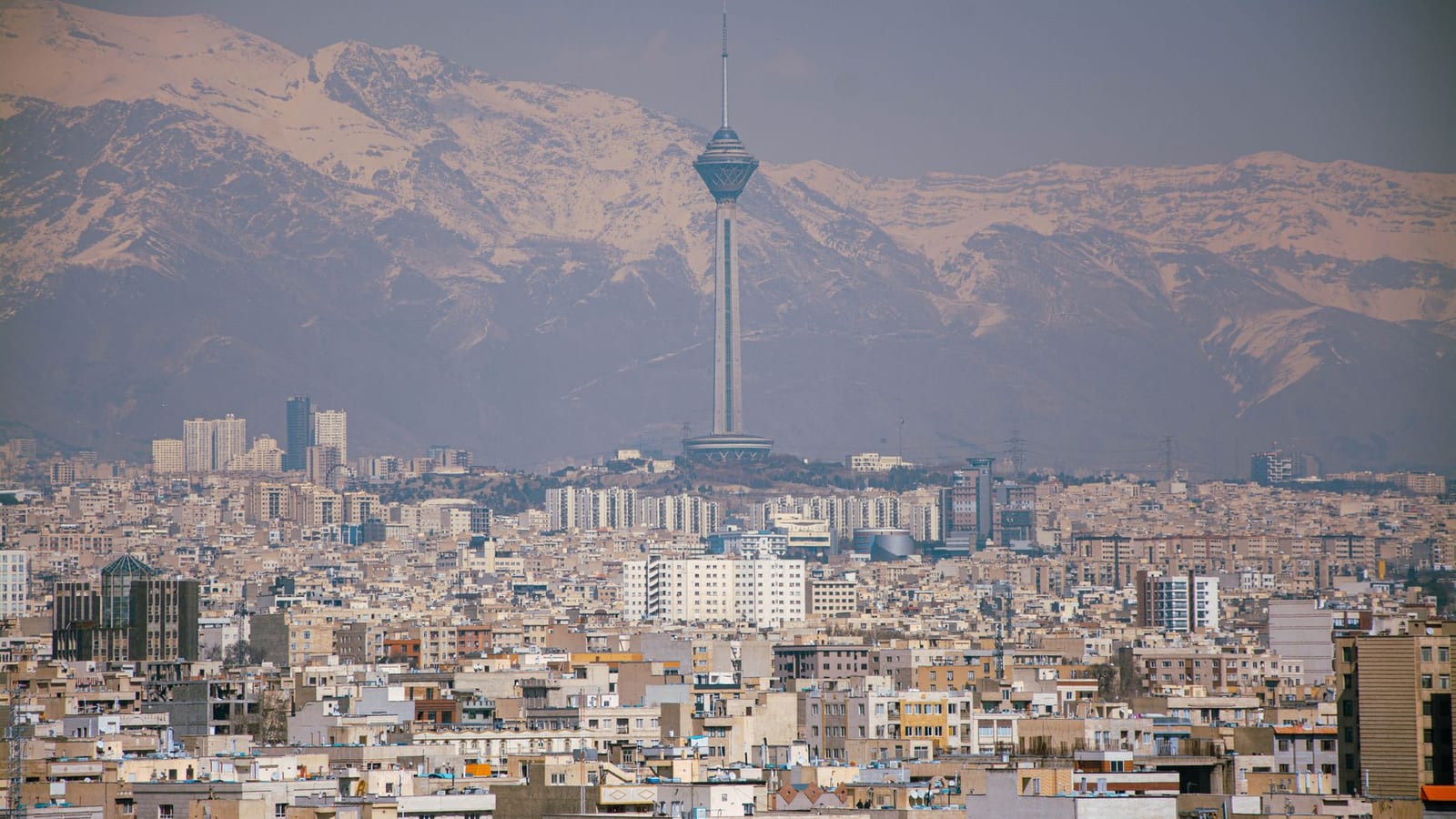
A funeral in Iran is rarely just a funeral. It is also a message, a warning, and a test of power.
As Ali Khamenei is laid to rest after being killed in the US-Israeli war, Iran enters its most uncertain phase since 1989. For ordinary Iranians, the question is painfully simple. Who controls the country now, and what will that mean for daily life?
For India, too, this is not distant theatre. Iran sits near crucial energy routes, trade plans, and conflict lines. When Tehran shakes, oil markets and diplomacy usually feel it.
Khamenei’s long shadow over Iran
Khamenei took charge after Ayatollah Ruhollah Khomeini died in 1989. Many first saw him as a compromise figure, not the natural heir to a revolution.
He proved more durable than most expected. Over three decades, he turned Iran’s revolutionary order into a tightly controlled clerical state.
His rule rested on three pillars. Religion gave it legitimacy. Security forces gave it muscle. Regional influence gave it ambition.
The Revolutionary Guard became central to that system. It grew from a paramilitary force into a powerful military and business machine.
For a shopkeeper in Tehran, that power was not abstract. It shaped prices, jobs, policing, media, and the cost of speaking freely.
Khamenei also pushed Iran away from direct conventional war. Instead, Tehran built influence through armed allies across the region.
That network included Hezbollah in Lebanon, Hamas in Gaza, the Houthis in Yemen, and militias in Iraq. Iran called it the Axis of Resistance.
The phrase sounded grand. In practice, it meant Tehran could pressure enemies without always sending its own soldiers.
But the wars after Hamas’ October 7, 2023 attack on Israel badly damaged that network. Hamas and Hezbollah both emerged weakened.
So Khamenei’s funeral comes at a bleak moment for the system he built. The old architecture still stands, but its walls show cracks.
Nuclear gamble reaches a dangerous point
Khamenei never treated Iran’s nuclear programme as a side issue. He made it a matter of national pride and regime survival.
Western governments said Iran had hidden work linked to nuclear weapons until 2003. Tehran insisted its programme was for peaceful energy.
Khamenei also said nuclear weapons were un-Islamic. Yet he refused to surrender Iran’s right to enrich uranium.
That is where the dispute became dangerous. Uranium enrichment can serve power plants at low levels. At very high levels, it can help make a bomb.
The 2015 nuclear deal reduced Iran’s stockpile and enrichment work. In return, sanctions were eased.
Then Donald Trump pulled the United States out of the deal in 2018. Israel welcomed that move, but Iran later expanded enrichment.
By the time war hit Iran, Tehran had uranium enriched close to weapons-grade levels. That does not mean a bomb existed.
It means the distance between a civilian programme and a military one became worryingly short.
Both the 2025 bombing and the current war have targeted Iran’s nuclear infrastructure. That raises a hard question for Tehran.
Does it return to talks, or does it decide that only nuclear capability can protect it?
For Indians watching petrol prices and global uncertainty, this matters. West Asian conflict often travels quickly into energy markets.
Even when India buys oil from many places, fear alone can lift prices. That hurts airlines, truckers, farmers, factories, and households.
Protests shaped his final years
Khamenei’s rule was not only about missiles, clerics, and foreign policy. It was also about repeated anger at home.
The 2009 protests after Mahmoud Ahmadinejad’s disputed re-election shook the system. Reformists alleged fraud. Security forces answered with force.
Dozens were killed and hundreds arrested. The message was clear. Ballots could be contested, but street pressure would be crushed.
Economic protests followed in 2017. Then, in 2019, anger over higher state-set petrol prices spread fast.
Activists said more than 300 people died in the crackdown that followed. For many families, the cost was personal and permanent.
In 2022, Mahsa Amini’s death in custody triggered a deeper revolt. She had been detained over Iran’s headscarf rules.
Women, students, workers, and young men joined the protests. The slogan was not only about dress. It was about control.
Security forces crushed that movement too. More than 500 people were killed, and tens of thousands were arrested, activists said.
By late 2025, economic protests had reportedly grown into the largest challenge yet. Hundreds of thousands demanded an end to the Islamic Republic.
Activists said at least 7,000 people were killed in that crackdown. Even by Iran’s harsh standards, that number is staggering.
This is the human ledger behind the funeral crowds. Some mourn Khamenei as a defender of the revolution. Others remember fear, prison, and lost children.
That split will define what happens next. A state can command silence for years, but silence is not the same as consent.
Succession leaves Tehran uneasy
Iran has named Ayatollah Mojtaba Khamenei, the late leader’s son, as the next supreme leader. That choice itself carries tension.
The Islamic Republic was built against monarchy. A father-to-son transfer makes that old claim harder to sell.
Mojtaba Khamenei was reportedly wounded in the strikes that killed his father. He has not appeared publicly.
That absence matters. In a system built on symbolism, visibility is power. Not being seen invites rumour.
The Revolutionary Guard now becomes even more important. It has the weapons, money, networks, and habit of command.
Hardliners have gathered nightly in Tehran, signalling loyalty and strength. So far, there is no sign of the uprising Trump publicly urged.
But absence of revolt does not mean stability. It may mean people are exhausted, afraid, or waiting.
For Iran’s rulers, the funeral is a chance to project order. For Iranians, it may mark the start of another uncertain season.
For India and the wider region, the next few weeks will matter. Tehran’s new leadership must handle war, sanctions, succession, and public anger at once.
That is a heavy load for any regime, especially one built around one powerful figure. Khamenei spent decades making himself the final word in Iran. Now the country must discover what remains when that voice is gone.