Tesla shares sink as investors question delivery rebound
Tesla’s record second-quarter deliveries failed to calm investors as worries over pricing pressure, incentives and growth weighed on the stock.
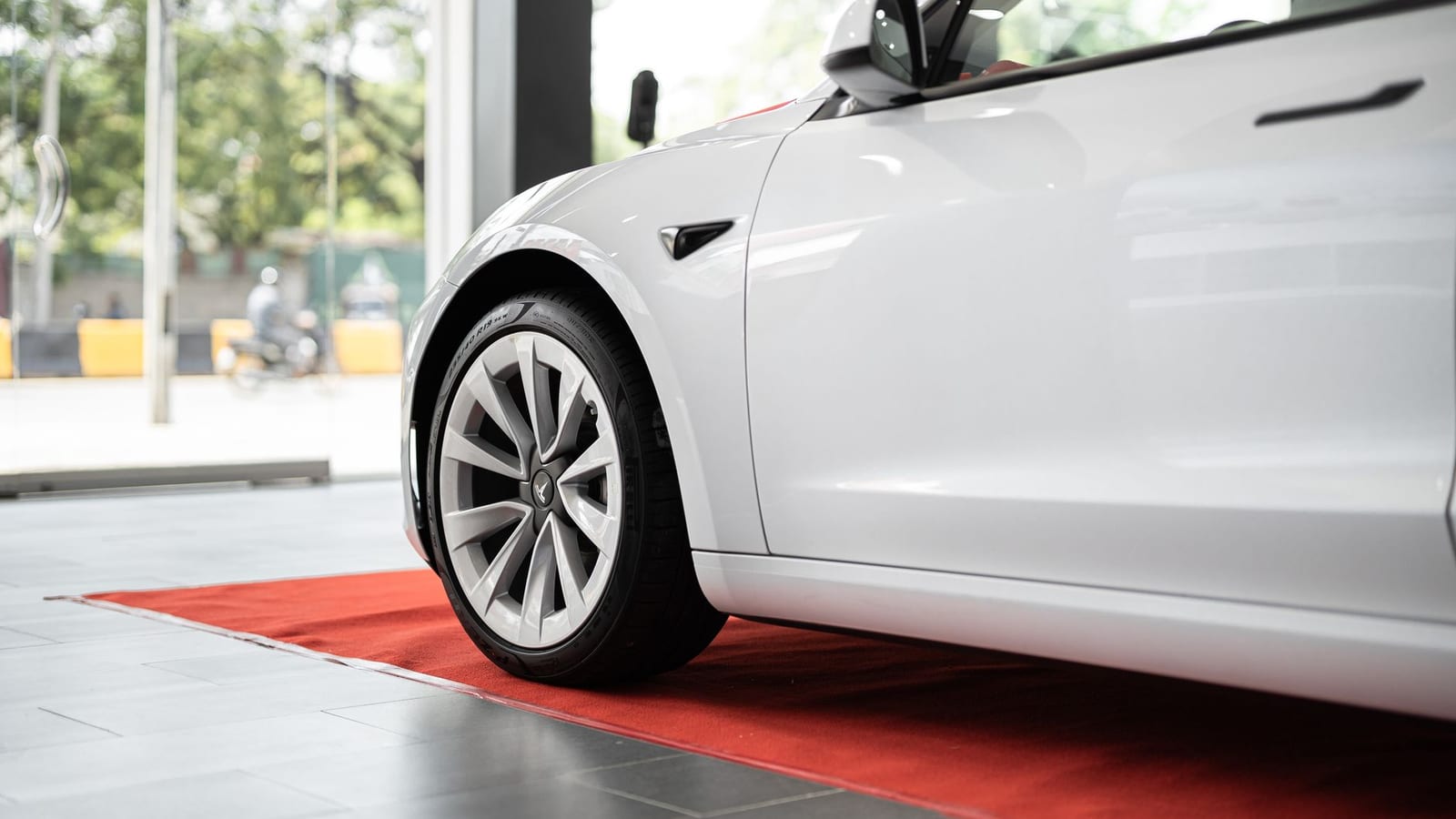
Tesla sold more cars, cleared inventory, and still watched its stock slide hard.
For an Indian investor with ₹5 lakh exposed to Tesla shares, Thursday’s 8.3 percent fall meant a paper loss of about ₹41,500 in one session. That is before currency moves, brokerage costs, or taxes.
This is the strange part. The company reported its best April to June delivery quarter ever. Yet Wall Street looked past the sales bounce and asked a tougher question: can Tesla grow without cutting prices, leaning on incentives, or waiting for the next big promise?
Deliveries beat a weak base
Tesla said it delivered 480,126 vehicles in the second quarter of 2026. That was about 25 percent higher than the same quarter last year.
It was also far better than the first quarter, when deliveries stood at 358,023 vehicles. In plain terms, Tesla shipped about 1.22 lakh more vehicles than it did in the previous quarter.
That should normally please investors. Delivery numbers matter because they show actual customer demand, not just factory output.
But markets rarely reward one good number blindly. Investors already knew Tesla had suffered a rough patch. The company had reported falling annual vehicle sales in 2025, the second straight yearly decline.
That history matters. When a company rebounds from a low base, the market asks whether demand has truly returned. Or whether customers simply responded to discounts, cheaper finance, and policy support.
For Indian retail investors, this is a useful lesson. A headline number can look strong, while the stock still falls. Markets pay for confidence in future profits, not just past sales.
Why the stock still fell
Tesla shares dropped 8.3 percent to an intraday low of $390 on 2 July. The fall came even after the company posted stronger delivery and production numbers.
The stock remains below its recent high of $498.83. From that level, it has lost roughly 22 percent based on the intraday price mentioned.
So the market is not saying Tesla had a bad quarter. It is saying the quarter did not answer enough questions.
The biggest concern is margin pressure. Lower-priced versions of the Model 3 and Model Y helped revive demand. Tesla also cut leasing and financing costs in Europe.
That helps move vehicles. But it can hurt profit per car.
Think of a smartphone brand selling more units during a festive sale. The sales chart looks good. The profit chart may not look as happy.
Investors also worry about brand fatigue. Elon Musk remains central to Tesla’s appeal and risk. Consumer backlash around him has hurt sentiment in some markets.
In the United States, the removal of a federal EV tax credit has also changed the buying equation. When subsidies go away, many customers pause and compare harder.
Europe gave demand a lift
Tesla’s quarter got support from Europe, where policy and fuel prices helped electric vehicles.
Government incentives pushed EV adoption in several markets. Corporate fleets also moved faster towards electric cars.
That last bit matters. A company buying vehicles for staff or logistics thinks differently from a private buyer. It cares about fuel cost, maintenance, and long-term running expense.
Higher petrol and diesel prices also made EVs look more attractive. After the Iran conflict pushed energy prices higher, many buyers had fresh reason to consider electric cars.
This is familiar to Indian households too. When petrol crosses a painful level, two-wheeler and car buyers start doing mental maths.
The EV decision then becomes less about climate branding. It becomes about monthly cash flow.
Tesla does not give delivery numbers by region or model. But it said the Model 3 sedan and Model Y SUV made up 467,762 deliveries.
That means these two vehicles accounted for nearly 97 percent of total deliveries. Tesla’s car business now leans heavily on these mass-market models.
Inventory clears, model range shrinks
Tesla produced 451,758 vehicles in the quarter. Deliveries were higher than production by more than 28,000 units.
That is important because it means Tesla sold from existing stock. The company reduced inventory that had built up earlier in the year.
For any auto company, unsold inventory is expensive. Cars sitting in lots tie up cash, occupy space, and often need discounts later.
So this quarter did bring some operational relief.
But Tesla’s product range is narrowing. The company stopped producing the luxury Model S and Model X in May. It continued selling leftover inventory during the quarter.
In January, Tesla had said it would halt those flagship models and use the Fremont factory lines for Optimus humanoid robots.
That is a big strategic shift. It tells investors Tesla wants to sell a future beyond cars.
The trouble is simple. Investors can count car deliveries today. They cannot value robot dreams with the same comfort.
Tesla’s passenger vehicle line-up now depends mainly on the Model 3, Model Y, and the low-volume Cybertruck. That is a thin spread for a company priced like a technology giant.
BYD shadow stays large
Tesla’s delivery rebound also sits under the shadow of BYD. The Chinese EV maker overtook Tesla as the world’s largest EV seller after Tesla’s annual sales slipped.
That competition is not cosmetic. Chinese EV makers have become faster, cheaper, and more aggressive.
They are also strong in batteries, which sit at the heart of an EV’s cost. A lower battery cost can help a company price better without crushing margins.
Tesla still has a powerful brand, strong software, and a loyal investor base. But it no longer enjoys the easy lead it once did.
The energy storage business offered one bright spot. Tesla said it deployed 13.5 gigawatt hours of storage in the quarter, up 40.6 percent from last year.
Energy storage means large battery systems that store power for homes, companies, and grids. As renewable energy grows, storage becomes more useful.
Analysts had expected about 13.3 gigawatt hours, so Tesla beat that mark too. Still, the market’s reaction showed that car demand remains the main story for now.
Tesla will report full second-quarter earnings on July 22. That is when investors will see whether higher deliveries came with healthier profits.
For ordinary Indian investors, the message is clear. A famous stock can still punish you when expectations run ahead of reality. Tesla’s next test is not just selling more cars. It must show that growth, profits, and its futuristic bets can all fit into the same balance sheet.