Germany Cuts Taxes as Kyiv and Google Rulings Shake Europe
Germany's tax package, Russia's Kyiv strikes, an EU Google ruling and Iran diplomacy show how global risks can affect India's markets and policy.
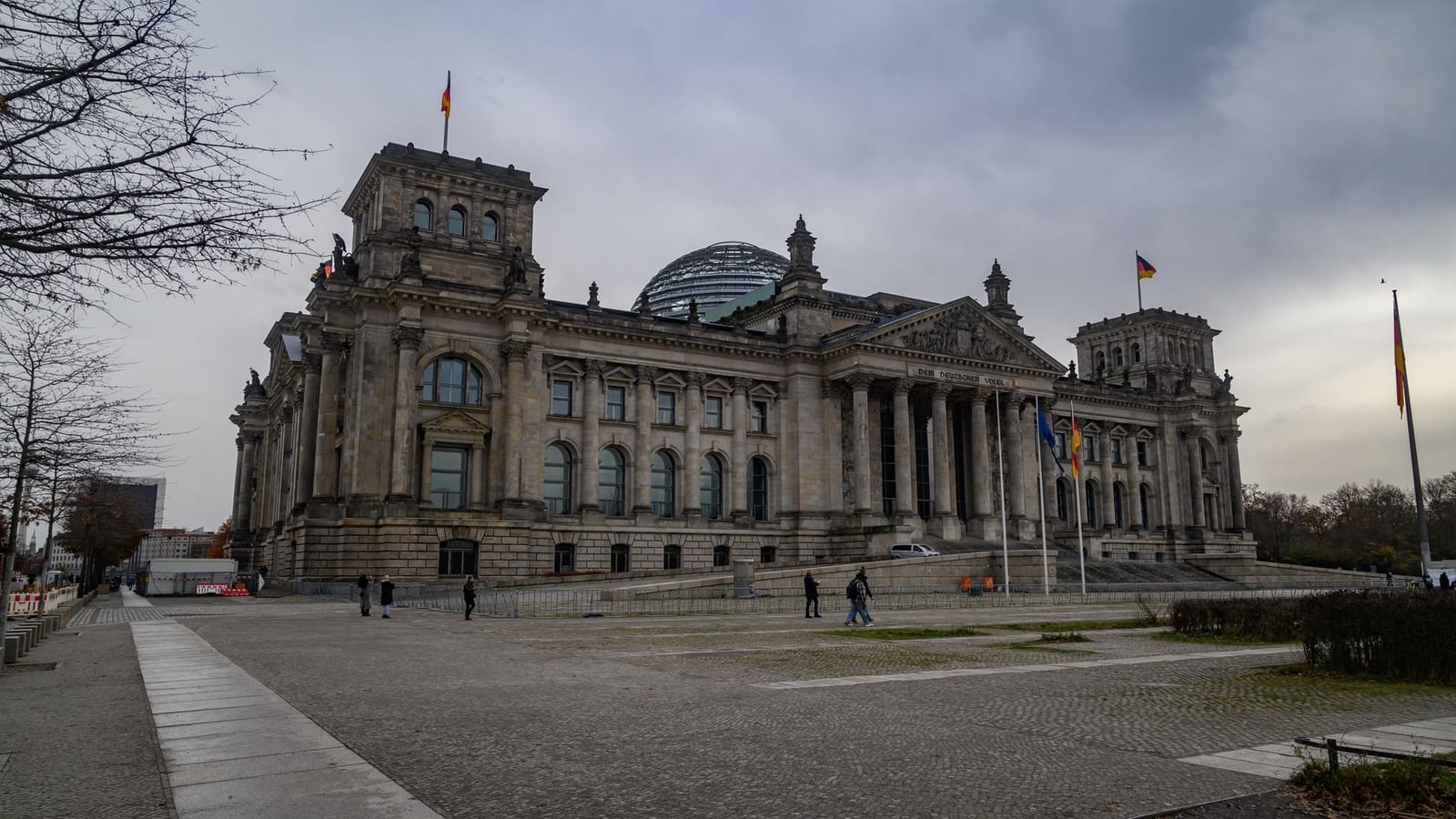
Rescuers in Kyiv were digging through broken homes while traders in Frankfurt celebrated a record market high. That contrast tells you a lot about the world right now.
On the same Thursday, Germany moved to cut taxes and tighten sick-leave rules. Russia hit Ukraine’s capital with missiles and drones. Europe’s top court made Google pay for Android dominance. Diplomats, meanwhile, tried to cool tensions around Iran.
For India, this is not distant noise. It touches oil prices, tech regulation, defence planning, jobs, markets, and the daily cost of uncertainty.
Berlin mixes relief with discipline
Germany’s ruling coalition agreed on a reform package after weeks of bargaining. The centrepiece is about 10 billion euros in tax relief.
That sounds large, but the signal matters more than the number. Berlin wants to tell households and businesses that help is coming, even as growth stays weak.
But the same package also tightens rules for workers who fall ill. Phone-based sick notes will go. In most cases, employees will need a medical certificate from the first day.
Doctors and trade unions reacted sharply. Their fear is simple. The burden will shift from offices to clinics, and from managers to workers.
Indian readers will recognise the tension. Every economy wants productivity. Every employer worries about misuse. Yet ordinary workers also need trust when they are genuinely unwell.
The lesson is not that strict rules are always wrong. It is that rules made in boardrooms can land hard in waiting rooms.
Kyiv attack darkens diplomacy
Russia’s assault on Kyiv was one of the heaviest of the war. Ukrainian authorities said at least 18 people died and 86 were injured.
They said 70 people needed hospital treatment. Rescue teams searched damaged residential buildings for survivors.
This is where geopolitics becomes painfully physical. Missiles do not hit maps. They hit apartment blocks, staircases, kitchens, and beds.
For India, the Ukraine war has always been a hard balancing act. New Delhi has ties with Moscow, growing comfort with the West, and a strong interest in stable energy prices.
Each major attack makes that balance more uncomfortable. It also reminds India why air defence, drones, and ammunition stocks now dominate defence thinking.
Wars today stretch far beyond the battlefield. They disturb grain flows, fuel costs, shipping insurance, and public budgets across continents.
Markets cheer while economies limp
Germany’s DAX index climbed to a fresh record, rising above 25,618 points at its peak. It did so despite a weak domestic economy.
That is the strange mood of global markets. Investors can see slow growth on the street, yet still chase profits on the screen.
Two forces helped the rally. One was hope that tensions around Iran may ease. The other was excitement around artificial intelligence.
Technology-linked stocks such as Infineon and Siemens Energy benefited from that mood. Investors are betting that AI demand will keep lifting select companies.
India has seen this movie too. Stock markets can run ahead while households still feel pressure from rents, school fees, and loan EMIs.
That gap is not always irrational. Markets look forward. Families pay bills today. The trouble begins when leaders confuse one for the other.
Big Tech faces Europe’s courts
The European Court of Justice upheld a 4.1 billion euro competition fine against Google. The case centred on Android phones.
Judges found that Google pushed device makers and mobile operators to pre-install its apps. The court said this strengthened its market position.
This matters deeply for India. Android runs a huge share of Indian smartphones, from budget handsets to premium devices.
When one company controls the doorway, app developers, phone makers, advertisers, and users all feel the effect.
Indian regulators have already watched similar Android disputes closely. The European ruling will strengthen the global argument for tighter digital competition rules.
The point is not to punish success. The point is to stop one success from becoming a locked gate.
Crime, defence and quiet warnings
Europol also said investigators had identified 156 suspected victims and offenders in a cross-border abuse network. Authorities from nine countries took part.
The allegations are grim. Men allegedly drugged their partners and sexually abused them, while using online networks to share material.
For India, this is a policing warning. Digital abuse now crosses borders faster than police paperwork.
A separate defence signal came from KNDS, the German-French tank maker. It postponed a planned stock market listing after long talks.
That may sound like a finance story. It is also a defence story. Europe wants to rearm faster, but coordination remains messy.
India should watch closely. Buying weapons is one thing. Building reliable defence supply chains is another.
The day’s news also showed diplomacy still has room to move. Qatar and Pakistan said indirect US-Iran talks had made progress.
The talks are expected to resume after mourning ceremonies for Iran’s slain head of state, Ayatollah Ali Khamenei. For India, even a small easing can matter.
Cheaper oil, safer shipping lanes, and calmer Gulf politics directly affect Indian households and workers abroad.
This is the shape of the new global order. War and markets move together. Courts chase tech giants. Governments offer relief with one hand and discipline with the other. For ordinary Indians, the message is clear. Distant headlines are no longer distant. They arrive through fuel bills, phone apps, export orders, defence budgets, and the price of everyday risk.