US Pushes Israel-Lebanon Talks as Oil Risks Rise
US-backed Israel-Lebanon talks in Rome could shape border security and oil-market risk, with implications for India’s fuel and import costs.
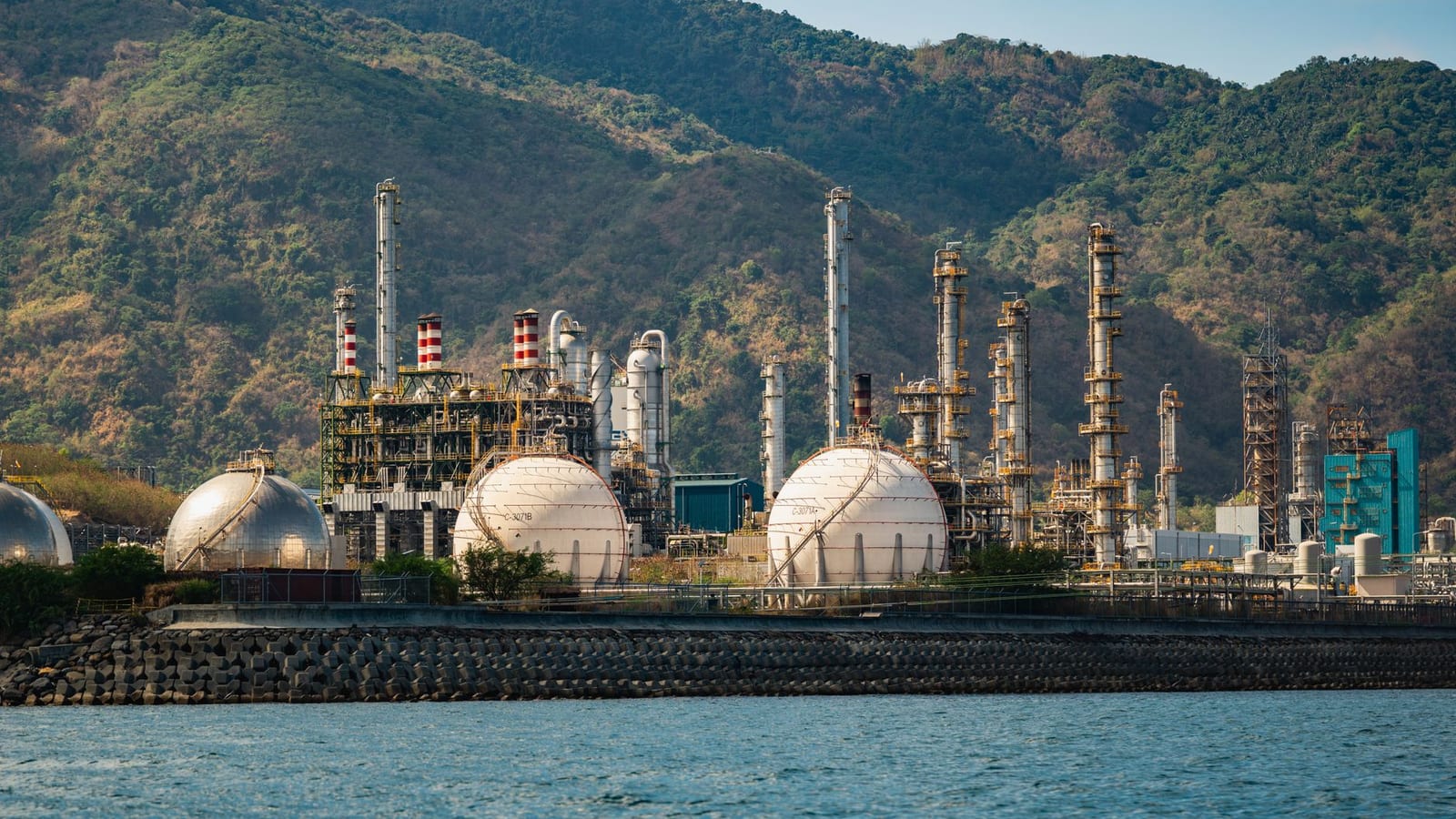
The Middle East has again reminded oil buyers of one hard truth: peace talks can calm markets, but one drone near an oil facility can undo that calm overnight.
For India, this is not a faraway war on television. It sits inside petrol prices, airline fares, shipping bills, fertiliser costs, and the rupee’s mood on a Monday morning.
This week, Washington is trying to slow several fires at once. United States officials said Israeli and Lebanese representatives will meet again in Rome between August 4 and 6. The aim is to push forward a security arrangement along their tense border.
Rome talks carry heavy stakes
The planned Rome meeting will focus on a US-backed framework between Israel and Lebanon. Officials said the talks will look at border disputes, security zones, and a wider peace and security arrangement.
That sounds neat on paper. On the ground, it is anything but neat.
Last week, three places in southern Lebanon, Frun, Srifa, and Sautar al-Gharbija, became trial zones under the arrangement. The Lebanese army is meant to take control there. Hezbollah is expected to disarm in those areas. Israel is expected to withdraw step by step.
This is the difficult part. Every side wants proof before it gives ground. Israel wants security. Lebanon wants sovereignty. Hezbollah will not simply disappear because diplomats met in Italy.
For ordinary families in southern Lebanon, this is not theory. It decides whether farms reopen, children return to school, and homes stop living under the sound of aircraft.
Netanyahu heads to Washington
Benjamin Netanyahu is also travelling to Washington this Tuesday. The official reason is a memorial service for US Senator Lindsey Graham, a strong supporter of Israel.
But nobody in diplomacy wastes a Washington trip during a regional crisis.
Netanyahu is expected to seek a meeting with Donald Trump. Their equation has looked strained over Iran. Israel has wanted a harder line. Trump has recently spoken more about talks, even while warning of military action.
Trump said he and Netanyahu had only a small difference over Iran. That may sound casual. In this region, small differences can become large wars.
US forces paused attacks on Iran after 13 straight nights of strikes, officials said. Iran also held back attacks for now. Trump said talks with Tehran must move quickly. In plain English, he is offering diplomacy, but with a short fuse.
For India, this matters because any fresh US-Iran clash can shake energy flows. India imports most of its crude oil. Even a few dollars added to each barrel can raise pressure on fuel, freight, and inflation.
Oil cools, nerves do not
Brent crude slipped to around $92 a barrel after the pause in US attacks. That was a sharp fall after prices had crossed $100 earlier.
But this is relief, not comfort.
Oil markets react to fear as much as supply. If traders think ships may avoid key routes, prices rise. If they think diplomacy may hold, prices fall. That is why one weekend of quiet can move billions of dollars.
Indian households rarely follow Brent charts. Yet they feel the bill later. Costlier diesel raises transport costs. Costlier aviation fuel hits airfares. Costlier crude can widen India’s import bill and pressure the rupee.
The timing also matters. India’s economy is growing, but consumers remain price sensitive. A fuel shock can quickly pass into vegetables, packaged goods, and daily travel.
That is why New Delhi watches West Asia with unusual care. It has workers in the Gulf, oil interests in the region, and strong ties with Israel, Saudi Arabia, Iran, and the United States.
Red Sea routes face fresh pressure
The Red Sea is the other worry. Houthi attacks from Yemen have slowed shipping through Bab al-Mandab, the narrow sea lane near Yemen.
Data from Kpler showed only 11 commercial ships crossed the strait on Sunday. That was the lowest level in months.
This matters deeply for global trade. Ships use this route to move between Asia, Europe, and the Mediterranean through the Suez Canal. When vessels avoid it, they often sail around Africa. That adds time, fuel, and insurance costs.
Indian exporters already know this pain. Longer routes hurt shipments of textiles, engineering goods, chemicals, and auto parts. Importers feel it too, especially when freight rates jump suddenly.
The Houthi militia said it attacked Saudi Aramco facilities in Jizan and Yanbu. Saudi Arabia also said it intercepted drones aimed at oil facilities and Riyadh. It blamed Iran-backed groups operating from Iraqi territory.
No group immediately claimed the Saudi drone attack. Still, the message was clear. The conflict is no longer limited to one battlefield.
India’s quiet calculation
India’s challenge is to stay practical. It cannot treat this as a distant ideological fight. Its interests cut across several capitals.
Israel is a major defence and technology partner. Iran matters for connectivity and regional balance. Saudi Arabia and the Gulf are central to energy, remittances, and jobs. The United States remains India’s most important strategic partner.
So New Delhi’s best position is boring but wise: keep sea lanes open, avoid a wider war, and push talks where possible.
There is also a larger lesson here. The old Middle East order is under strain. Militias, drones, oil routes, and great-power rivalry now move together. A strike in Yemen can affect a factory in Gujarat. A pause in Iran can lower crude prices in Mumbai.
That is the part Indian readers should not miss. Diplomacy in Rome may look remote. A Trump-Netanyahu meeting may look like Washington theatre. But the bill, if this goes wrong, will not stay in the Middle East. It will travel by ship, barrel, and exchange rate, and reach ordinary people soon enough.