Rome Talks Put Israel-Lebanon Border Plan to Test
US-backed Rome talks will test whether Israel, Lebanon and Hezbollah can advance a border security plan with wider risks for oil and India.
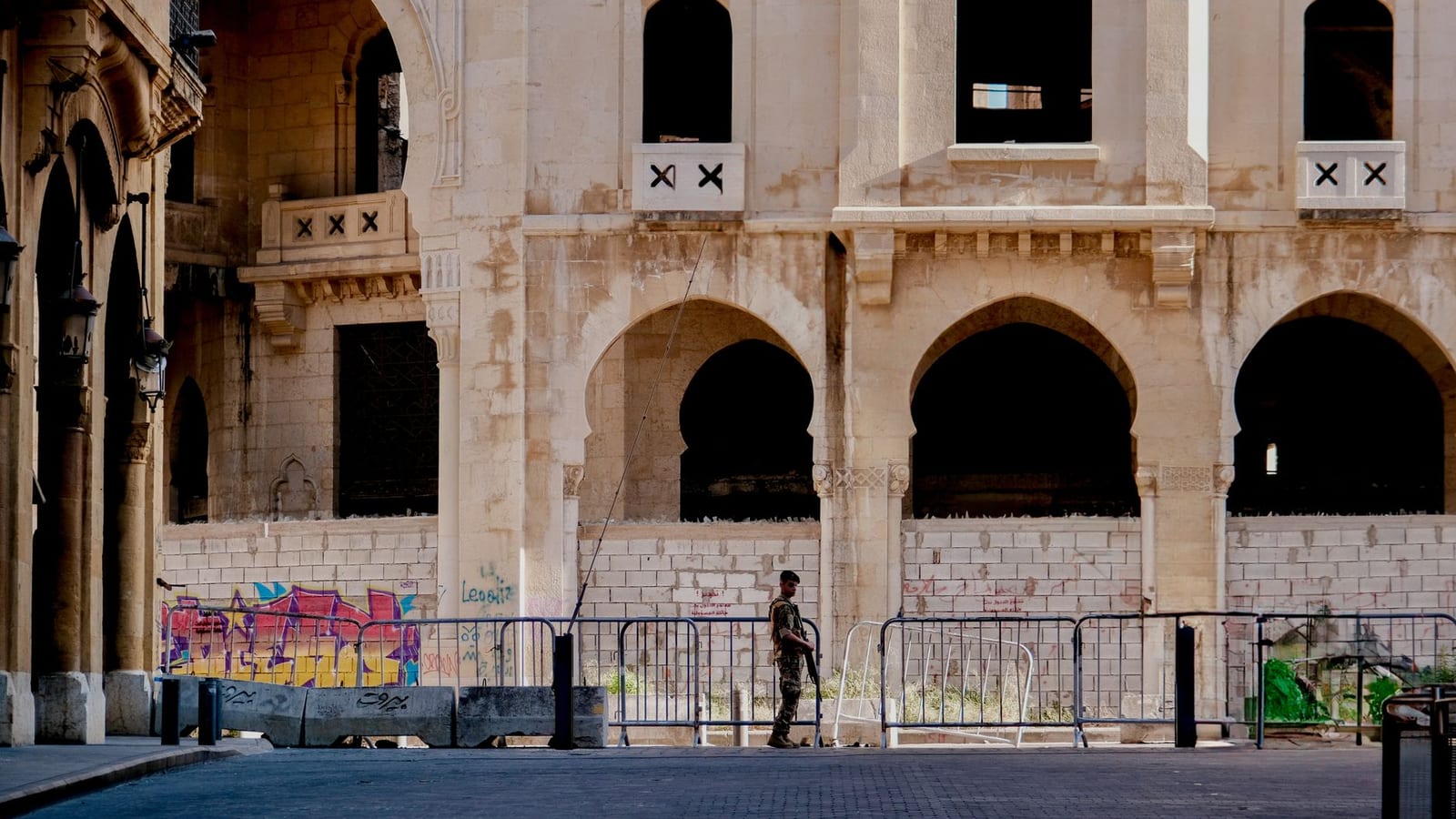
A small village in south Lebanon can now decide how nervous oil traders feel in Mumbai.
That sounds absurd, but this is West Asia in 2026. A local security test near the Israel-Lebanon border now sits inside a much bigger story. It touches Iran, Saudi Arabia, shipping lanes, oil prices, and yes, India’s fuel bill.
The US State Department says officials from Israel and Lebanon will meet again in Rome between August 4 and 6. They will discuss how to carry forward a security framework brokered by Washington.
Rome talks test a fragile border
The Rome meeting will focus on three pilot zones in south Lebanon. These are Frun, Srifa, and Sautar al-Gharbija.
Under the plan, Lebanese forces take control in these areas. The Hezbollah militia must disarm there. Israel then pulls back in stages.
That sounds neat on paper. On the ground, it is anything but simple.
Hezbollah does not see itself as a street gang handing over weapons. It sees itself as a resistance force. Israel sees it as a direct military threat on its northern border.
Lebanon’s own state has long struggled to control the south fully. Its army must now show it can enforce authority without triggering another spiral.
A US official said Washington feels optimistic after the first pilot zones. The official said the early experience will help refine the rollout.
That is diplomatic language. Plainly put, everyone wants to know one thing. Can this model work without a firefight?
Netanyahu heads to Washington
Israeli Prime Minister Benjamin Netanyahu is travelling to Washington on July 28. The formal reason is a memorial for Senator Lindsey Graham.
But nobody in West Asia believes this trip is only ceremonial.
Netanyahu is expected to use the visit to speak with Donald Trump. Their equation has looked strained over Iran.
Trump has pushed for diplomacy, though with a hard edge. He said the US and Iran are in deep talks. He also warned of severe military action if talks fail.
Asked how long he would give negotiations, Trump offered little patience. He said it must happen quickly, or not at all.
Netanyahu’s view appears different. Israel worries Iran can rebuild military capacity during any pause.
Israeli media said Netanyahu may present intelligence on Iran’s military plans. Tehran has denied claims about seeking nuclear weapons for years.
For India, this is not distant theatre. New Delhi has spent years balancing ties with Israel, Iran, Saudi Arabia, and the US.
That balancing act gets harder when Washington and Tehran move from talks to missiles. It gets harder still when Israel wants a wider confrontation.
Oil markets get a breather
Oil prices fell after the US paused strikes on Iran. Brent crude dropped to about $92 a barrel at one point, down more than 5 percent.
Earlier, after 13 straight nights of US attacks, Brent had crossed $100 a barrel. That is the number Indian policymakers watch with clenched teeth.
India imports most of its crude oil. When crude rises, petrol, diesel, aviation fuel, and freight costs feel the pressure.
A family may not track Brent crude. But it sees the result in vegetable prices, cab fares, air tickets, and electricity costs.
Young professionals with home loans feel it too. High fuel prices can feed inflation. Then rate cuts become harder for the RBI.
The pause in attacks has given markets some relief. But nobody should confuse a pause with peace.
Iran has also signalled that it will hold fire for now. A Reuters-cited Iranian insider said Tehran doubts American intentions.
That tells you the mood. Both sides have lowered the volume, not changed the song.
Red Sea risks return sharply
The Red Sea is again becoming a pressure point. Houthi attacks from Yemen have slowed shipping through Bab al-Mandab.
Kpler data showed only eleven merchant ships crossed the strait on Sunday. That was the lowest figure in months.
This matters because Bab al-Mandab connects Asia, Africa, and Europe. If ships avoid it, they often sail around Africa.
That longer route costs more money and more time. Insurance also becomes costlier when missiles and drones enter the picture.
For Indian exporters, this is not an academic concern. Textile firms, auto-parts makers, engineering exporters, and pharma companies all depend on predictable shipping.
A delay of two weeks can hurt cash flow. A higher freight bill can kill margins in low-profit contracts.
The Houthis said they attacked Saudi Aramco facilities in Jizan and Yanbu. Saudi Arabia has not confirmed every claim.
Saudi officials said they intercepted drones aimed at oil sites and Riyadh. They blamed Iran-backed groups operating from Iraq.
No group immediately claimed that specific attack. But the message across the region is clear enough.
Any actor with drones can now disturb global trade. You no longer need an aircraft carrier to shake oil markets.
India watches every escalation
India has three big stakes in this crisis.
First, energy. Saudi Arabia, Iraq, the UAE, and other Gulf suppliers remain central to India’s oil basket.
Second, people. Millions of Indians live and work across the Gulf. Their safety becomes a serious concern when regional strikes widen.
Third, trade. India needs open sea lanes through the Arabian Sea, Gulf, and Red Sea. These routes feed both imports and exports.
New Delhi will avoid loud statements unless forced. That is sensible. India has relationships on all sides.
But silence does not mean indifference. Every meeting in Rome, every Trump-Netanyahu conversation, and every drone over Saudi Arabia matters here.
The US wants a security framework between Israel and Lebanon. Israel wants lasting protection from Hezbollah. Lebanon wants sovereignty without another war. Iran wants pressure without isolation. Saudi Arabia wants oil sites safe.
Each player wants control. Yet the region keeps proving how little control anyone truly has.
For ordinary Indians, the impact will arrive quietly. It may show up as a pricier LPG cylinder, a delayed export order, or a stubborn inflation print. That is why Rome’s talks matter. If those pilot zones hold, the region gets a small path away from fire. If they fail, the bill may travel far beyond West Asia, all the way to Indian homes and businesses.