US-backed Caribbean internet overhaul targets China
Washington proposes funding trusted undersea cable systems across the Caribbean and Central America to reduce China’s role in digital infrastructure.
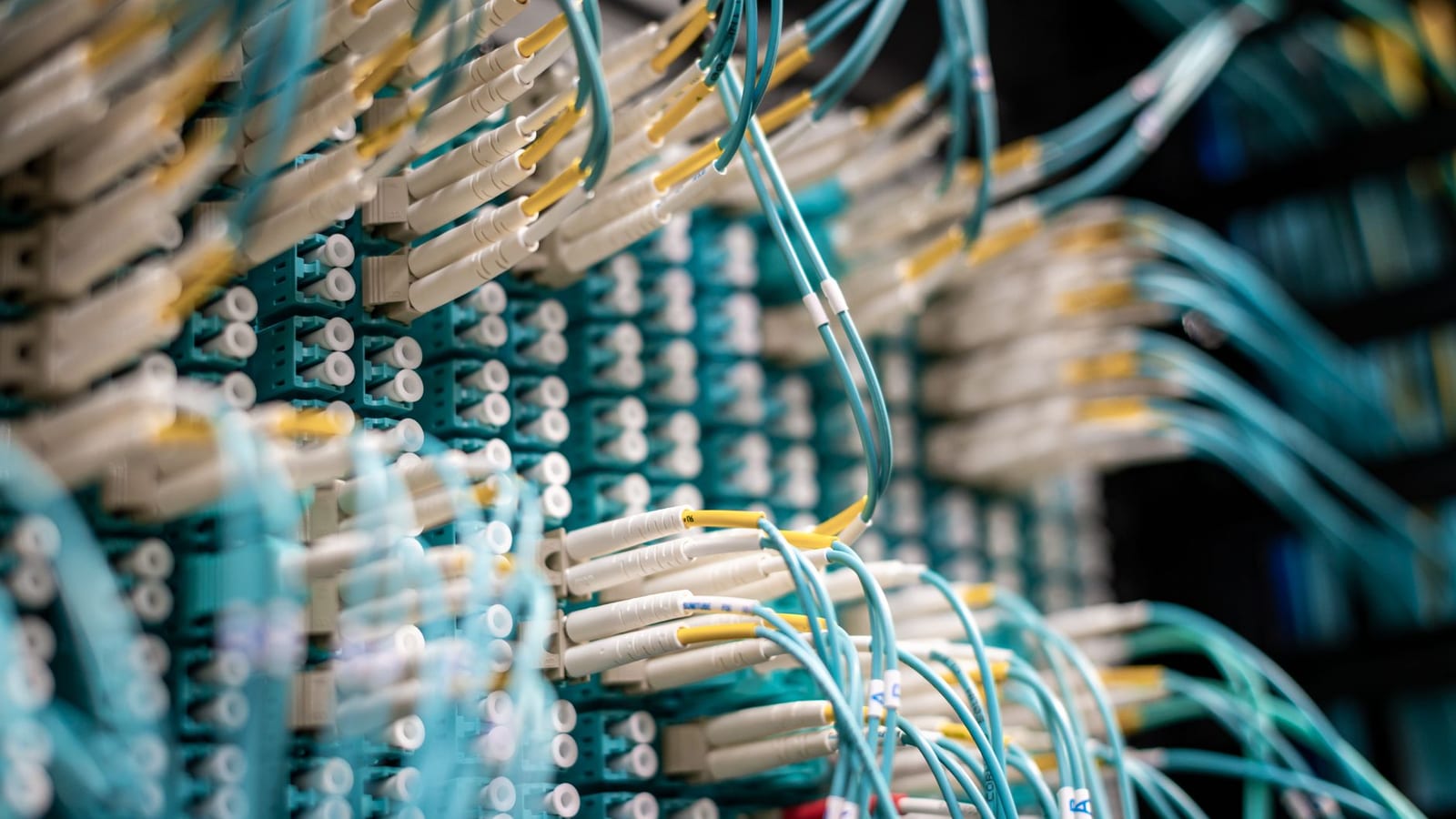
Most travellers think about the Caribbean through beaches, cruise ships, and long-haul holidays. Washington is looking at it through a very different lens, the internet cables lying quietly on the seabed.
The Trump administration has proposed a USD 175.8 million plan to replace old undersea telecom cables across the Caribbean and Central America. The stated aim is simple: keep China away from critical digital infrastructure near America’s doorstep.
For an Indian reader, this may sound like distant geopolitics. But think of every airport payment, hotel booking, roaming call, card swipe, and emergency message abroad. That invisible plumbing decides whether travel feels smooth or stressful.
Why sea cables matter
Undersea cables carry most international internet traffic. Satellites get the glamour, but cables do the heavy lifting.
When a traveller in Port-au-Prince makes a video call, or a hotel in Honduras confirms an online booking, that data usually moves through cables under the ocean.
The US plan would support “trusted” cable systems in countries including El Salvador, Guatemala, Honduras, Nicaragua, and Haiti. The documents say Washington will not work with Nicaragua’s government directly.
This is not just about faster Wi-Fi at resorts. It is about who builds, maintains, and can potentially influence the networks that countries rely on daily.
For smaller economies, cheaper infrastructure offers can look attractive. A State Department official argued that Chinese-backed offers may cost more later through overruns, maintenance charges, or weak performance.
That point matters in tourism economies. When an island or coastal country depends on visitors, bad connectivity hits bookings, payments, safety alerts, and small businesses first.
Washington sees a China problem
The US has watched China expand across ports, telecom networks, mining, and transport projects in the Western Hemisphere. The Panama Canal sits at the centre of those anxieties.
American officials have raised concerns about Chinese-linked port ownership near both ends of the canal. They have also watched Belt and Road projects spread through Latin America.
The cable proposal fits into a wider package. An internal State Department document described almost half a billion dollars in possible spending across the Americas, Africa, and Asia.
The language is blunt. Washington wants to regain influence in places where Chinese finance, technology, and diplomacy have moved faster.
That is familiar to anyone who follows infrastructure politics. Roads, ports, power grids, and telecom networks rarely stay neutral for long. They create dependence.
India has seen a version of this debate in its own neighbourhood. The question is always the same. Cheap capital solves one problem, but may create another.
For Central American governments, the choice is not academic. They need modern systems, but they also need room to bargain.
Budget cuts meet strategic panic
This new push comes after a messy period in Washington’s foreign aid system. Deep cuts last year stopped several programmes aimed at countering China.
Those cuts affected the US Agency for International Development and removed hundreds of diplomatic posts. Some approved projects also landed in limbo.
Now the administration wants to restore selected programmes. The cable plan appears to be one of the clearest examples.
Officials have also discussed security centres in Argentina and Belize. These would monitor cyber threats and protect key infrastructure.
Other proposals cover Ecuador, Jamaica, Mexico, Paraguay, Peru, and Uruguay. The stated aim is to guard ports, fishing areas, and critical minerals.
That sounds like a wide map, but the pattern is tight. Washington sees cables, ports, minerals, and cyber systems as one connected battlefield.
For travellers, this sounds abstract until something breaks. A network outage can delay a ticket change, block a payment, or cut access to maps.
For a family abroad, these are not strategic assets. They are the difference between control and helplessness.
What travellers should notice
The Caribbean and Central America attract different kinds of visitors. Cruise passengers, backpackers, retirees, and working couples all pass through these routes.
Most do not ask who laid the cable that powers their hotel app. They ask whether the booking went through and whether the card machine works.
Still, infrastructure shapes the travel experience more than glossy brochures admit. Clean airports, stable payments, working mobile data, and digital visas all need reliable networks.
If the US funding moves ahead, travellers may not see new cables directly. They may feel them through steadier connections and better service reliability.
But there is another side. Big-power competition can make infrastructure decisions slower and more political.
Small countries may get better offers when rivals compete. They may also face pressure to choose sides.
For tour operators, hotels, and local transport firms, digital reliability has become basic survival. A beach town can lose business if payments fail often.
For solo travellers, connectivity is also a safety tool. Maps, translation apps, ride bookings, and emergency calls all depend on networks.
That is why this cable story belongs in the travel conversation too. Travel no longer begins at the airport. It begins on a network.
Diplomacy behind the beach view
The timing adds another layer. Donald Trump is expected to meet Xi Jinping around the UN General Assembly in September.
Secretary of State Marco Rubio also met Chinese Foreign Minister Wang Yi recently at a regional security forum in the Philippines.
So Washington is talking to Beijing at the top, while preparing to counter it below the waterline. That is not unusual.
Great powers often smile in public and compete through budgets. Infrastructure is where those promises become concrete.
The proposed spending also reaches beyond cables. It includes efforts related to surveillance technology, China’s space programme, and secure communications around Tibet.
That shows how broad the contest has become. It is no longer only about ships, trade, or tariffs.
For India, the lesson is worth watching. Digital infrastructure now carries sovereignty, business, tourism, and security together.
For ordinary travellers, the story is simpler. The holiday photo, the hotel payment, the boarding pass, and the call home all ride on systems few people see. If countries are now spending millions to control those systems, it tells us something useful. The modern journey depends as much on buried cables as on open skies.