Ship Grounding In Hormuz Raises Gulf Trade Concerns
A container ship ran aground in the Strait of Hormuz after avoiding an Iran-approved route, renewing concern over Gulf shipping and energy flows.
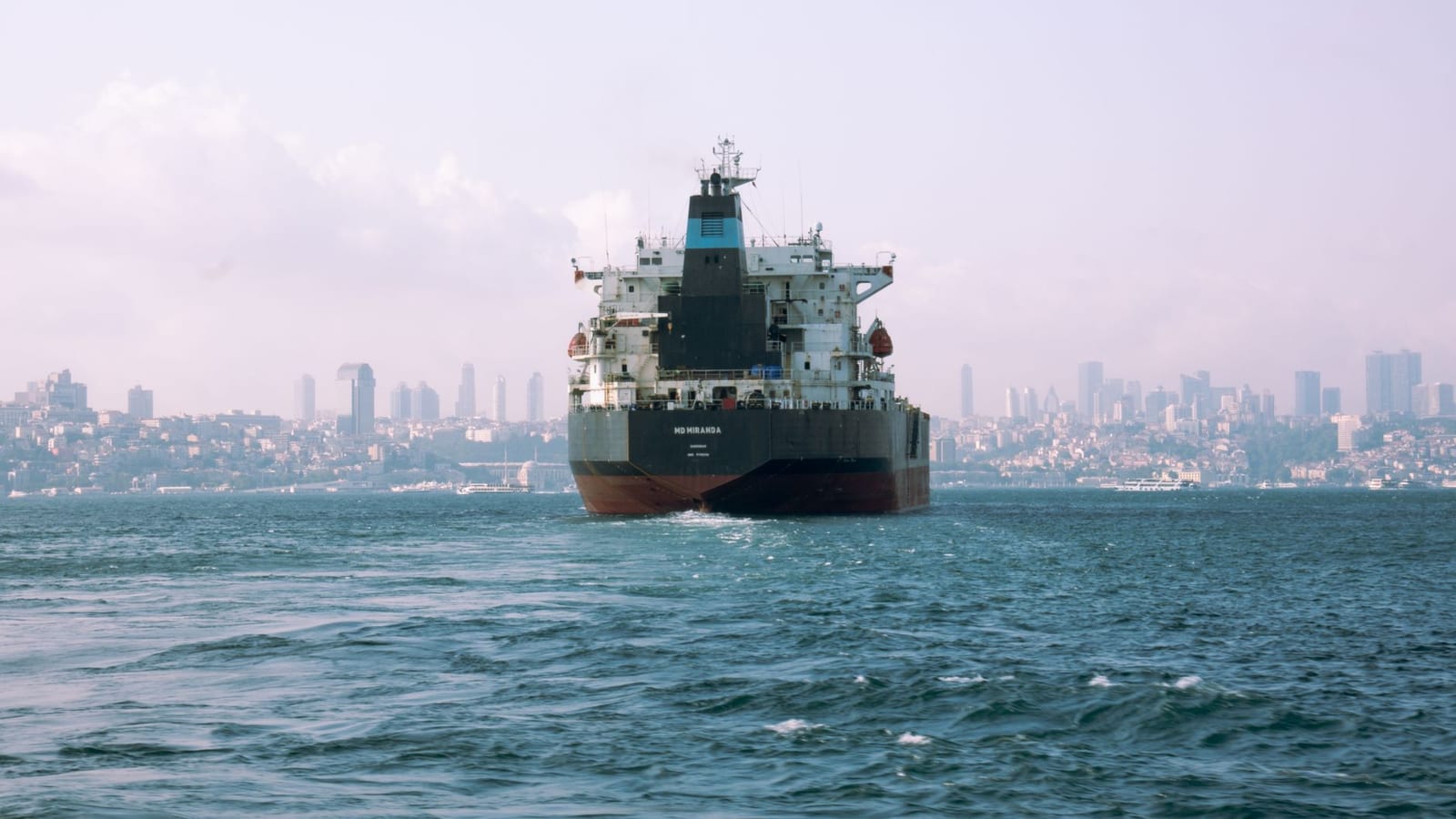
A single ship stuck in the Strait of Hormuz can make oil traders, shipping bosses, and governments sit up straight.
That is the trouble with this narrow strip of water. It looks small on a map, but it carries a huge share of the world’s energy trade. When movement slows here, the fear travels quickly to petrol pumps, freight bills, airline costs, and factory margins far away, including India.
This week, a foreign container ship ran aground after it avoided a route approved by Iran, Iranian state television said. The ship was carrying cargo and could not continue because of shallow waters on the path it chose. On paper, this is a navigation incident. In the Gulf, it is much more than that.
Hormuz dispute alarms shipping firms
Iran has told ship captains and owners to use what it calls the Route of Authority through the Persian Gulf. Its paramilitary Revolutionary Guard has warned that vessels using other routes could face serious consequences.
That warning matters because the Strait of Hormuz is not just another sea lane. It is one of the world’s most sensitive trade chokepoints. Oil and gas from Gulf producers pass through it before reaching buyers in Asia, Europe, and elsewhere.
For Indian readers, this is not some distant quarrel. India depends heavily on imported crude. Even a brief scare in the Gulf can push up shipping insurance, delay cargo, and unsettle energy prices.
A container ship getting stuck also points to a practical problem. These are not fishing boats that can turn around easily. Large vessels need clear routes, stable rules, and predictable orders. When politics enters the channel, captains face choices that can become expensive within minutes.
Iran presses route control
Iran and the United States had reached an interim arrangement that allowed ships to cross the strait without payment for 60 days. But Tehran has also insisted that it should decide which routes vessels use.
Iran wants to collect passage fees later. The United States and many Gulf Arab states oppose that idea. Their argument is simple. This waterway has long served global commerce, and new charges could reshape how the Gulf works.
That is why the grounded ship has become a signal. Iran is trying to show that route control is not a polite request. It wants the shipping industry to treat its instructions as binding.
The question for shipping firms is awkward. Do they follow Iran’s preferred route and risk angering others? Or do they use another passage and risk delays, detention, or worse?
This is where the travel beat meets hard power. Routes, permissions, and border checks shape not only holiday plans, but also trade and migration. The Gulf carries workers, tourists, cargo, and fuel. Any friction in movement touches ordinary life.
A family planning a Gulf trip may not track marine advisories. A small exporter in Gujarat may not follow Doha talks. But both can feel the aftershock if fares rise, cargo slows, or regional nerves worsen.
Doha talks carry heavy stakes
The timing makes the incident even sharper. US envoy Steve Witkoff and Jared Kushner reached Doha for talks with Qatari mediators. Iranian negotiators were also expected in the city, though Tehran said it had no plan for direct talks with the Americans.
That means Qatar may again play the middle role. This has happened before in US-Iran conversations. Each side avoids the optics of direct engagement, while mediators carry messages across the room.
Qatar’s Foreign Ministry said its foreign minister, Sheikh Mohammed bin Abdulrahman Al Thani, met the American side. The talks covered the interim arrangement and efforts to support regional security through dialogue.
Lebanon also entered the conversation. Iran wants fighting between Hezbollah and Israel to end. It has also called for Israel to leave territory it occupies in southern Lebanon.
Israel says it needs to hold that area and keep the right to strike Hezbollah. That single sentence explains why a shipping dispute in Hormuz cannot be separated from the wider Middle East crisis.
Iranian parliament speaker Mohammad Bagher Qalibaf said talks were continuing. He also warned that Iran was ready for war if agreed steps were not carried out. That mix of diplomacy and threat is familiar in the region. It keeps markets guessing and governments nervous.
Asian vessels begin moving
There is one relief in the story. Some stranded ships have started leaving the strait. Thailand’s Foreign Ministry said 10 of 11 Thai-flagged or Thai-chartered vessels had exited safely.
South Korean officials said most of their stranded vessels had also left. Only two of 26 remained stuck, they said. These details matter because they show that the channel has not shut completely.
Still, safe movement by some ships does not end the risk. Shipping is about confidence. Once companies suspect that a route can turn political overnight, they build that fear into costs.
That can mean higher insurance for tankers. It can mean slower sailings. It can mean companies choosing longer routes, if possible, even when that adds time and fuel.
For India, the concern goes beyond oil. Gulf shipping links are tied to fertilisers, chemicals, consumer goods, and the movement of Indian workers across the region. The Gulf is not just an energy supplier. It is part of India’s economic neighbourhood.
The unease also spread beyond the waterway. Iraqi authorities shot down a small drone over Baghdad’s Green Zone, where embassies and government buildings sit. Security officials said it appeared unarmed and may have been used for surveillance.
No group claimed it. But the incident reminded everyone that the Gulf crisis has many moving parts. A ship runs aground in one place, a drone appears in another, and negotiators sit in a third city trying to stop the chain from snapping.
For ordinary Indians, the lesson is plain. Global routes look invisible until they break. A narrow channel near Iran can influence what airlines pay for fuel, what importers pay for freight, and what consumers eventually pay at home. The immediate crisis may ease if more vessels pass safely. But the larger question remains: who controls movement through Hormuz, and at what price?