Israel-Iran tensions put India fuel prices on alert
Trump's push for Iran talks faces Netanyahu's security calculus, while any Gulf escalation could raise India's oil import bill, inflation and market risk.
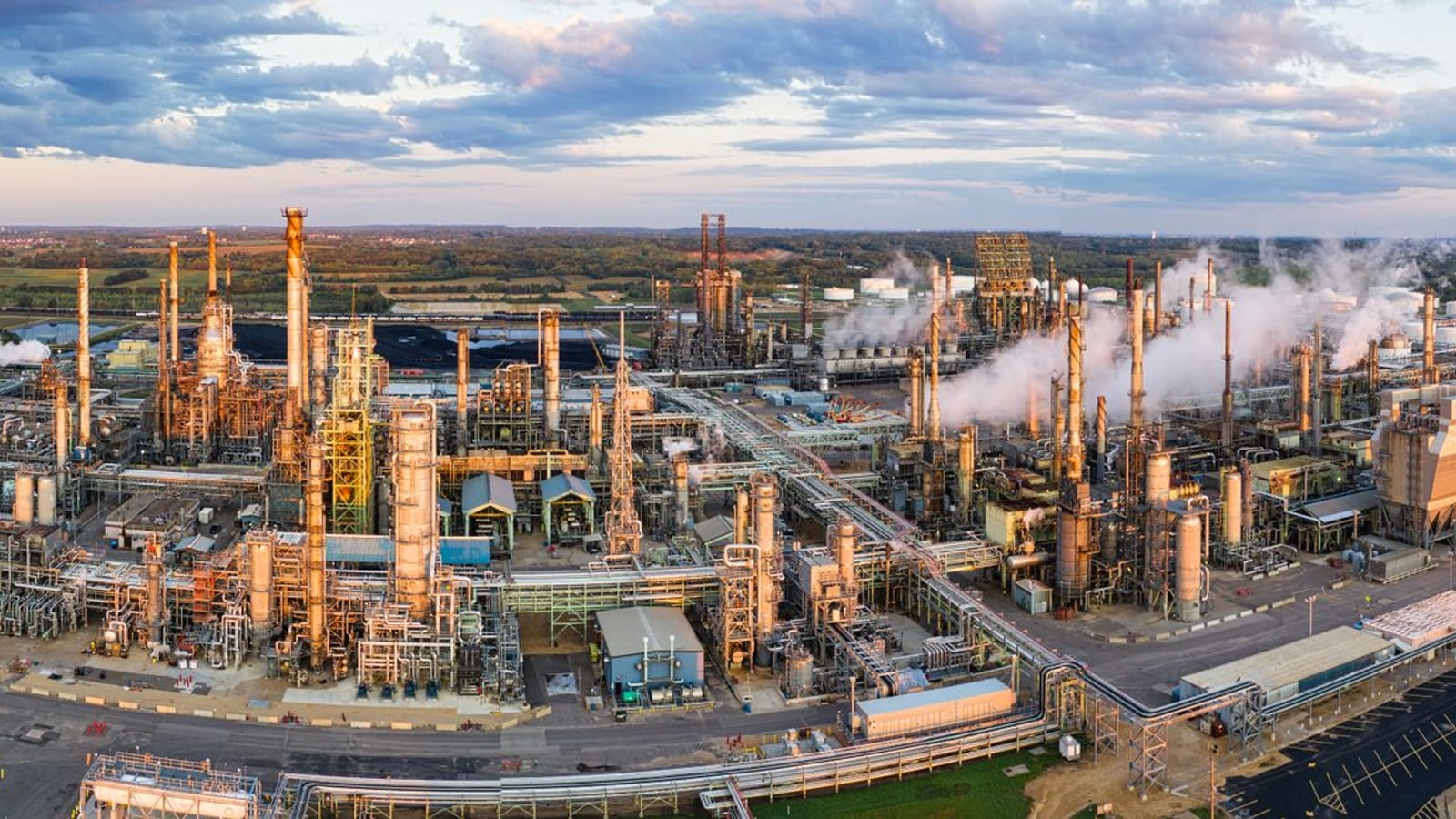
One missile fired near the Gulf can travel all the way to a petrol pump in Pune.
That is why the latest friction between Donald Trump and Benjamin Netanyahu matters far beyond Washington, Jerusalem, or Tehran. For India, this is not just another foreign policy drama. It is a fuel bill story, an inflation story, and a markets story.
Regional Telugu source material says Trump urged Israel to avoid fresh retaliation against Iran while nuclear talks were still alive. Netanyahu did not wait. Within hours, Israeli aircraft hit military targets inside Iran, making an already tense West Asia even harder to read.
Trump’s Iran plan hits Israeli reality
Trump has been trying to sell a simple message. Iran must stop firing missiles, return to talks, and sign a deal quickly. He has even suggested that an agreement could arrive within days.
That sounds neat on television. It rarely works so neatly in West Asia.
Israel sees Iran very differently from Washington. For Netanyahu, Iran’s nuclear work, missile stockpile, and backing for armed groups remain direct threats. He does not trust short diplomatic pauses to solve long military risks.
That explains the gap between Trump’s request and Israel’s action. Trump wanted time for talks. Netanyahu wanted pressure on Iran’s military machine.
US Senator Chris Murphy sharply criticised the episode. He argued that Trump personally asked Israel to hold back, yet Israel still attacked. His point was blunt. American power in West Asia no longer works like a command button.
For Indian readers, that line matters. If Washington cannot fully control its closest regional ally, markets cannot assume calm will follow a Trump statement.
Oil markets watch Hormuz again
The first place this shows up is crude oil. Brent crude recently traded near $86 a barrel after swinging sharply on hopes of talks and fears of fresh conflict.
Oil traders hate uncertainty more than bad news. A bad event can be priced. A messy chain of strikes, denials, talks, and counter-strikes cannot.
The Strait of Hormuz sits at the centre of this anxiety. A large share of the world’s seaborne oil passes through this narrow waterway near Iran. It also carries liquefied natural gas, which many Asian economies need.
India imports more than 85 percent of its crude oil. That means New Delhi cannot watch Hormuz like a distant shipping lane. It has to watch it like a kitchen budget item.
When crude gets costly, oil marketing companies face pressure. If they pass costs on, petrol, diesel, and LPG become dearer. If they do not, their margins take the hit.
Diesel is the quiet villain in Indian inflation. It moves vegetables, cement, parcels, textiles, and almost everything else. A transport cost rise does not stay inside a truck. It walks into the mandi, the kirana shop, and the monthly household bill.
A weaker rupee can make this worse. India buys crude in dollars. So if oil rises and the rupee slips, the import bill takes a double hit.
India’s economy feels every spike
This is why West Asia always lands on the finance ministry’s desk. A crude shock can widen India’s trade deficit. That simply means we spend more dollars on imports than we earn from exports.
It can also complicate the Reserve Bank of India’s job. If fuel costs push prices higher, the RBI gets less room to cut interest rates. Young professionals paying EMIs then feel the pain quietly.
Airlines also watch this closely. Aviation turbine fuel forms a large part of their costs. A long oil spike can push fares higher, especially during holiday seasons.
Paint makers, tyre companies, chemical firms, logistics players, and cement companies also feel the squeeze. Many use oil-linked inputs or depend heavily on freight.
Small businesses suffer in less visible ways. A bakery pays more for delivery fuel. A garment unit pays more to move goods. A farmer pays more when diesel-driven transport gets expensive.
Large companies can hedge some risks. They can sign contracts, adjust prices, or absorb shocks for a while. Smaller firms usually cannot. They pass costs on or cut something else.
That is the Indian angle often missed in grand war-room talk. One decision in Jerusalem can become a higher wholesale price in Indore.
Diplomacy now carries a price tag
Trump’s bet is that pressure and deal-making can bring Iran back to the table. Netanyahu’s bet is that military force can delay or damage Iran’s threat.
Both bets carry risks for India.
If talks collapse, crude can jump again. If attacks expand, shipping insurers may raise premiums. If vessels avoid risky routes, delivery times stretch and freight costs rise.
The Red Sea and Gulf routes have already shown how quickly shipping risks can affect global trade. Longer routes mean higher fuel use, higher freight charges, and slower supply chains.
That matters for exporters too. Indian engineering goods, textiles, chemicals, and food shipments depend on predictable freight. When shipping becomes expensive, exporters lose pricing power.
New Delhi usually handles such moments with careful balance. India buys energy from multiple suppliers, keeps channels open, and avoids loud public positioning. That is sensible, but it does not remove the risk.
The government can cut excise duties if fuel prices rise sharply. But that also reduces revenue. Every cushion has a cost.
Strategic petroleum reserves offer another buffer. Yet reserves buy time, not permanent safety. A long crisis still flows into prices.
The market will now watch three things closely. First, whether Iran returns to serious talks. Second, whether Israel pauses further strikes. Third, whether shipping through Hormuz stays steady.
For ordinary Indians, this story will not arrive as a foreign policy headline. It will arrive as a fuel receipt, an airfare, a grocery bill, or a delayed export payment. That is why the Trump-Netanyahu split over Iran deserves attention. In today’s economy, distant wars rarely stay distant for long.