Tech funds brace for AI selloff after Nasdaq futures drop
Nasdaq futures fell as chip stocks weakened on AI profit doubts, raising risks for Indian tech funds, global ETFs, rupee moves and oil-linked inflation.
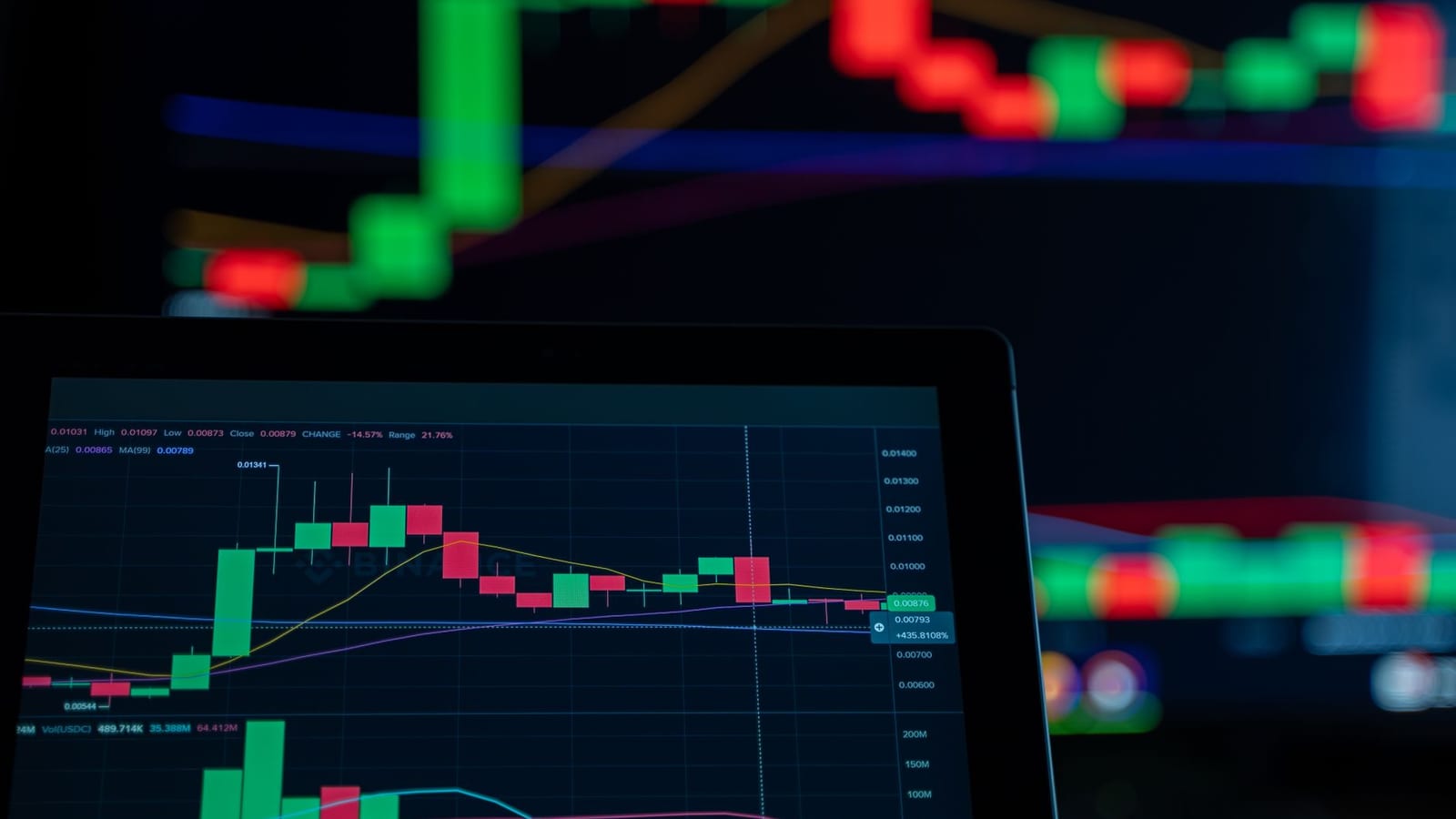
A 0.9 percent fall in US tech futures may sound small. For an Indian investor with ₹5 lakh in a Nasdaq-heavy fund, that can mean a paper knock of roughly ₹4,500 before Wall Street even opens.
That is why Tuesday’s nervous mood matters. Wall Street was not crashing, but it was clearly asking a sharper question: after all the money poured into artificial intelligence, where is the profit?
The answer matters well beyond New York. It touches Indian tech funds, global ETFs, semiconductor stocks, the rupee, oil prices, and even inflation at home.
Chip stocks face AI doubts
Nasdaq-100 futures fell 0.9 percent on Tuesday, while S&P 500 futures slipped 0.1 percent. Dow Jones Industrial Average futures, which track more old-economy companies, rose 123 points, or 0.2 percent.
That split tells the story neatly. Investors did not dump everything. They punished the AI and chip trade, where expectations had run very hot.
Micron Technology fell 4.5 percent in pre-market trading. Marvell Technology and Advanced Micro Devices dropped around 3 percent each. These are not corner-shop stocks. They sit close to the plumbing of the AI boom.
The worry is simple. Big tech companies have spent billions on data centres, chips and AI systems. Investors now want proof that this spending will earn serious money, not just produce impressive demos.
Vested Finance said the sell-off reflected growing concern around the AI trade. The brokerage said investors were questioning whether AI spending can continue at the current pace.
That question sounds technical, but it is very human. A retail investor buying a US tech fund from Bengaluru or Pune has joined the same trade, often without calling it that.
Korean chip shock spreads
The pressure did not start only in the US. South Korean chip stocks had already taken a hard knock.
SK Hynix tumbled 10 percent after its US-listed shares fell sharply in New York. Samsung Electronics dropped 9.15 percent. For large-cap technology stocks, those are not normal daily moves.
Investors also worried about rising competition from Chinese chipmakers. China wants to reduce its dependence on American technology, and that push has changed the global chip map.
There is another concern too. Markets have started asking if parts of the AI boom feed each other in a closed loop. One company spends on chips, another funds capacity, then everyone books growth.
That can work for a while. But markets eventually ask the rude question: who is the final customer paying real money?
Indian investors have seen this film before. Every hot theme starts with a strong story. Then valuations rise. Then the market begins separating real cash flows from polished presentations.
This does not mean AI has failed. It means investors have moved from faith to verification. That is a tougher phase.
Central banks hold the remote
The timing makes traders even more careful. The Federal Reserve will decide interest rates this week. The Bank of Japan and Bank of England also have policy meetings lined up.
The US central bank is widely expected to keep rates unchanged. Still, markets now price in roughly a 56 percent chance of a September rate cut.
For ordinary readers, interest rates are the price of money. When US rates stay high, global investors often prefer dollar assets. That can pressure emerging markets, including India.
When rates fall, money usually becomes more willing to take risk. Stocks, emerging markets and growth sectors tend to feel some relief.
That is why Indian markets watch the Fed so closely. A decision taken in Washington can affect foreign flows into Mumbai within hours.
The Bombay Stock Exchange’s Sensex and National Stock Exchange’s Nifty 50 do not move only on domestic news. They also react to US yields, crude oil, the dollar, and global risk appetite.
For a family saving through SIPs, this looks distant. But it can shape monthly portfolio returns, even if nobody at home tracks Jerome Powell’s press conference.
Oil gives India some breathing room
Brent crude slipped below $85 per barrel on Tuesday. That was its lowest level in more than a week. US West Texas Intermediate crude also fell below $80 per barrel.
For India, lower oil is usually good news. We import most of our crude. Every fall in oil prices gives some relief to the import bill, the rupee, and inflation.
The relief needs context, though. Brent had briefly touched $102 per barrel last week after tensions flared around Iran. That spike reminded everyone how quickly petrol and diesel worries can return.
US President Donald Trump said there was a good chance of reaching a deal with Tehran. The US also paused daily strikes on Iran, giving diplomacy another opening.
Oil traders took that as a sign that supply disruption risk had reduced for now. But both sides reportedly warned that hostilities could resume if talks fail.
The Strait of Hormuz remains the key pressure point. A large share of global oil moves through that narrow route. Any serious disruption there can lift crude prices very fast.
For India, this is not an abstract map problem. Costlier crude can weaken the rupee, raise transport costs, and feed into grocery prices over time.
A kirana store owner may never mention Brent crude. But freight costs still arrive quietly inside the price of atta, edible oil, soap and packaged snacks.
What investors should watch
This week’s market mood has three moving parts. Chips are testing the AI story. Central banks are setting the price of money. Oil is reacting to war and diplomacy.
For Indian retail investors, the message is not to panic. It is to understand what they actually own.
A Nasdaq fund is not a magic dollar return machine. It often carries heavy exposure to a few technology giants. When the AI trade shakes, these funds shake too.
The same applies to Indian investors chasing semiconductor themes. The long-term opportunity may be real. But the stocks can still fall hard when expectations run ahead of earnings.
The important word now is returns. Big tech companies must show that AI spending can convert into revenue, margins and durable demand.
Amazon, Meta Platforms and Microsoft will report earnings in a week packed with market triggers. Investors will read their numbers for AI spending plans and signs of actual payoff.
If they sound confident and show progress, the tech trade may stabilise. If they promise more spending without clear returns, markets may stay impatient.
Oil will remain the other swing factor for India. Brent below $85 is comfortable compared with last week’s spike. But Middle East headlines can change that comfort quickly.
For ordinary investors, this is a useful reminder. Global markets do not move in neat boxes. A chip stock in Korea, a Fed meeting in Washington, and an oil tanker route near Iran can all touch an Indian portfolio.
The sensible approach is boring, but it works. Know your exposure, avoid chasing one fashionable theme, and keep enough balance between equity, debt and cash. In weeks like this, markets reward patience more than excitement.