Ukraine urges Trump to speed up air defence support
Zelensky is in the US seeking stronger missile defence from Trump as Kyiv worries about slower aid and continued strikes on cities and energy sites.
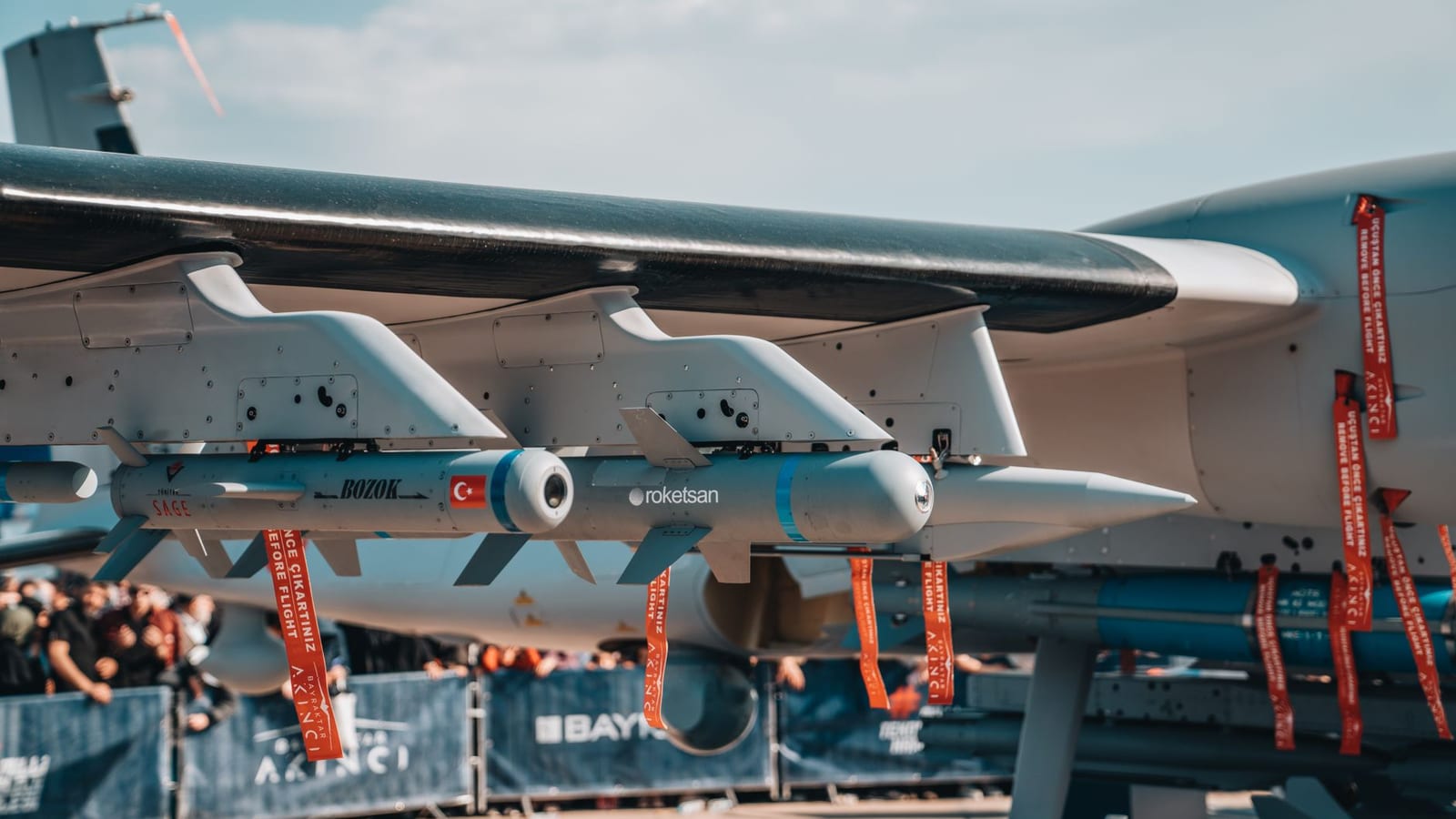
A war that began with tanks is now being fought with missiles, drones, grain ships, oil slicks, and supply routes.
Volodymyr Zelensky is in the United States this week with one clear priority. He wants stronger missile defence from Donald Trump, even as Washington’s approved aid pipeline appears slower than Kyiv would like.
For India, this is not a distant European story. When wheat prices rise, oil routes get risky, or Russia leans harder on North Korea and Iran, the shock does not stop at Europe’s border.
Zelensky’s missile shield push
Zelensky’s visit has a public and private side.
Publicly, he is attending the tribute for US Senator Lindsey Graham, who died on July 11 at 71. Graham had long backed Ukraine in Washington, especially when parts of American politics grew tired of the war.
Privately, Zelensky wants to talk air defence. He said missile defence and strategic cooperation would be the top issue in his talks with Trump.
That tells us something important. Kyiv no longer speaks only about territory. It speaks about surviving repeated strikes on cities, fuel networks, ports, and power systems.
Missile defence sounds technical. In simple terms, it means systems that detect and shoot down incoming missiles or drones before they hit homes, grids, factories, or bridges.
For ordinary Ukrainians, this is the difference between sleeping through the night and rushing to shelters. For Kyiv’s government, it is also about keeping the economy alive.
But there is a catch. Washington does not expect to complete delivery of $400 million in approved aid to Ukraine before 2029. The US Congress cleared that package in December 2025 with support from both parties.
That timeline matters. Wars move by the week. Defence contracts move by the year. Zelensky needs both money and speed.
Grain ships enter the firing line
The war is also moving deeper into the waters around Russia.
Russian officials are considering temporary weapons on grain ships in the Sea of Azov. The plan under discussion includes heavy machine guns, mobile missile launchers, armour plates, sandbags, and anti-drone nets.
The idea is simple, but deeply messy. Russia wants to protect grain cargoes from Ukrainian drones. Yet Dmitry Peskov, the Kremlin spokesman, acknowledged a major problem. International law does not allow weapons to be placed on civilian ships.
This is where the war gets dangerous for everyone else.
The Sea of Azov usually handles about a quarter of Russia’s grain exports. Commercial traffic there has reportedly been stopped for two weeks after attacks on ports, vessels, and maritime infrastructure.
If that continues, Russian grain exports could fall by 500,000 to 1.5 million tonnes a month, according to SovEcon. Wheat prices have already climbed to their highest level in two years.
For India, wheat is not just a commodity chart. It affects food inflation, import calculations, and household budgets across the region.
India may not be buying large volumes directly from every Black Sea route at every moment. But global prices move together. A supply scare in one sea can show up in tenders, futures markets, and food prices elsewhere.
This is why New Delhi watches the Black Sea and Sea of Azov closely. Food security is now tied to drone warfare.
Iran and North Korea loom larger
The conflict is also becoming more openly connected to Iran and North Korea.
The Kremlin said an attack on an Iranian ship in the Caspian Sea should be treated as an attack on Iran itself. Peskov accused Kyiv of expanding its attacks and used that claim to justify Russia’s continuing offensive.
Iran’s foreign ministry had condemned the strike after an explosion reportedly killed one sailor and injured another. Zelensky said Kyiv had targeted ships used to move military equipment linked to Iran.
That sentence is doing a lot of work.
Ukraine is signalling that it will not only hit Russian assets. It will also target supply chains that help Russia sustain the war.
For India, this matters because Iran sits inside India’s wider strategic map. Chabahar, energy security, West Asian stability, and sanctions all matter to New Delhi.
If the Ukraine war keeps pulling Iran deeper into confrontation with the West, India’s diplomatic balancing act becomes harder.
Then there is North Korea.
Russia and North Korea are close to completing their first direct road bridge. The bridge would run over the Tumen river between Khasan in Russia’s Far East and Tumangang in North Korea.
Officially, Moscow and Pyongyang describe it as a trade and tourism link. But it could also make military logistics easier.
Trucks are harder to track by satellite than trains. They can load away from fixed railway platforms. They also avoid the technical headache of different railway gauges between Russia and North Korea.
That may sound like a small engineering detail. It is not. In wartime, logistics decide how long armies can keep firing.
A road bridge could help Russia move supplies with less visibility. It also shows how Western sanctions have pushed Moscow toward a new war economy with Asian partners.
Poland rejects Putin’s border claim
The information war is running alongside the battlefield.
Vladimir Putin claimed Ukraine would eventually lose parts of its western territory to neighbours, including Poland. He suggested land once linked to Poland, Hungary, and Romania would return to what he called its rightful owners.
Poland rejected that sharply. Maciej Wewior, spokesman for Poland’s foreign ministry, said Poland has no territorial claims against Ukraine and supports its sovereignty.
This matters because Putin is trying to plant suspicion among Ukraine’s backers.
If Ukrainians begin to fear that allies secretly want their land, trust weakens. If Europeans argue among themselves, Moscow gains time.
For India, the lesson is familiar. Borders, history, and grievance can be turned into weapons. South Asia knows this playbook well.
Ukraine also denied reports of a fuel crisis on the Kharkiv to Poltava route. Regional official Oleh Synehoubov said functioning petrol stations remain available and there is no fuel shortage.
Earlier, another local official had claimed Russian strikes had destroyed more than 80 fuel stations in the Kharkiv region. The dispute shows how fast wartime information can become confused.
On the water, satellites detected oil slicks near vessels in the Sea of Azov. One larger slick covered about 4.7 square kilometres. Another appeared further south.
The exact cause remains unclear. But the pattern is plain enough. When ports, tankers, grain ships, and shadow fleets become targets, pollution joins the list of casualties.
This is the war’s new map. It stretches from Ukrainian cities to grain markets, from Iranian ships to North Korean roads, from Polish diplomacy to Indian grocery bills.
For ordinary Indians, the story is not whether Kyiv or Moscow won the day’s headline. The real question is how long the world can absorb a war that keeps spreading into food, fuel, shipping, and alliances. That is where the cost finally arrives, quietly, at the family budget.