Wall Street futures gain as Trump pauses Iran strike
US stock futures climbed after Trump paused Iran strikes, while oil fell sharply, easing crude and rupee concerns for Indian investors.
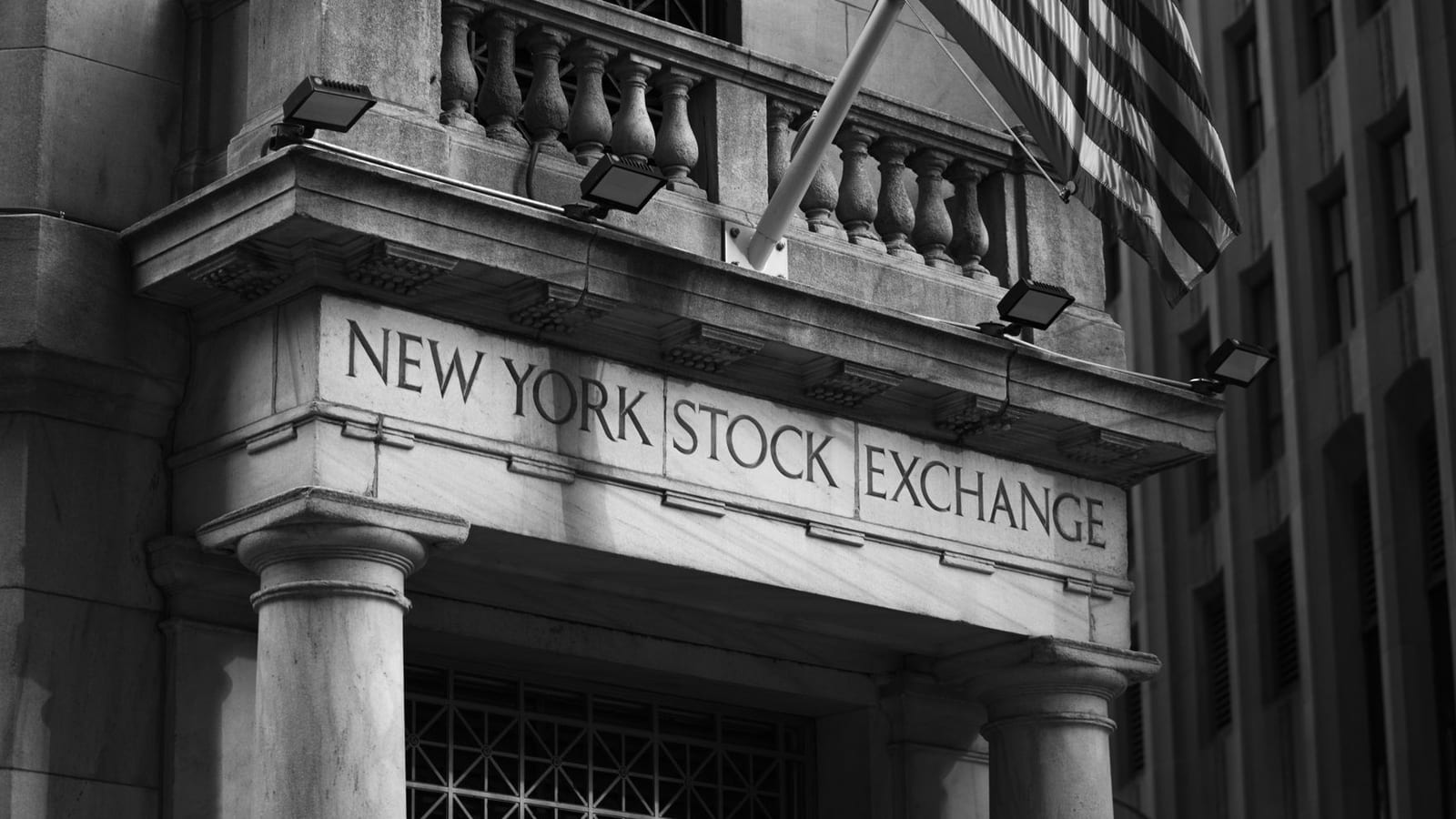
For Indian investors, a few words from Washington can now change Friday’s mood before Dalal Street even opens.
US stock futures rose on June 12 after President Donald Trump said he had cancelled planned strikes on Iran. Oil prices fell hard, and global markets breathed a little easier.
That relief matters in India too. Cheaper crude can cool fuel costs, support the rupee, and ease pressure on company margins. But this is still a market built on hope, not a signed peace deal.
Wall Street bets on diplomacy
The S&P 500 futures rose 0.6 percent on Friday. Nasdaq 100 futures and Dow Jones futures gained 0.7 percent each.
That came after a strong US session, where major indices rose up to 2.5 percent. Chip stocks led the rebound, after a rough patch for technology counters.
The trigger was Trump’s statement that he had called off military action against Iran. He said talks had moved closer to an agreement.
For markets, that changed the immediate calculation. War risk pushed traders into panic mode earlier. Peace talk pushed them back into riskier assets.
But investors should not confuse a pause with peace. Trump has made similar claims before since the April 7 ceasefire announcement. Those predictions have not yet produced a final agreement.
Oil slides, India watches closely
The bigger move came in crude. Brent crude fell 3.46 percent to $87.25 a barrel. West Texas Intermediate dropped 3.58 percent to $84.57.
Both benchmarks touched their lowest levels since April 17. That is a sharp fall, but crude still remains above pre-war levels.
For India, this is not just a screen number. We import most of our crude oil. A sustained fall can soften petrol, diesel, aviation fuel, and transport costs.
It can also help the rupee. When oil rises, India needs more dollars to pay import bills. That usually puts pressure on the currency.
A lower crude bill gives the government and the Reserve Bank of India more breathing room. It can reduce inflation pressure, especially in transport and food supply chains.
Think of a kirana store owner in a tier-2 city. Lower diesel costs may not cut prices overnight. But they can slow the next round of increases.
For young professionals paying EMIs, that matters too. If inflation eases, the case for rate cuts becomes stronger over time.
Hormuz remains the real risk
The centre of this story is the Strait of Hormuz. It carries a large share of global oil and liquefied natural gas shipments.
Since the conflict escalated, flows through this route have faced severe disruption. That pushed Brent crude close to $120 at one stage.
The proposed US-Iran understanding reportedly includes reopening the strait. It may also include sanctions relief and access to frozen Iranian funds.
Iranian officials have said talks made progress, but approval remains pending. Foreign Ministry spokesman Esmail Baghaei said most of the text had moved forward, while new US demands created friction.
That is the part markets may be underpricing. Shipping does not restart like a light switch. Insurers, tanker operators, ports, and navies all need clarity.
Even if leaders sign a memorandum, oil flows may take weeks to normalise. One reported framework expects traffic to return to earlier levels within 30 days.
That delay matters. Traders can price hope in seconds. Physical oil moves through pipes, ports, ships, and risk committees.
Israel and Iran complicate peace
The politics remain messy. Israeli Prime Minister Benjamin Netanyahu said Israel was not a party to the emerging agreement.
His office also said Israel expects any final settlement to address enriched material, nuclear infrastructure, missile production, and Iran’s regional support networks.
That shows the challenge. The US and Iran may want to calm energy markets. Israel wants deeper security guarantees before it accepts any long-term shift.
Iran has its red lines too. Tehran does not want its missile programme folded into the current talks. It wants sanctions relief and access to frozen funds.
Reports from officials familiar with the talks suggest the deal may also create space for nuclear negotiations. The current pause could extend for 60 days.
For investors, the lesson is simple. Headlines will move faster than diplomacy. Markets may rally on a signing venue, then fall on one disputed clause.
Space stocks catch the rally
Away from geopolitics, traders also watched space-related stocks. Sentiment improved ahead of a widely discussed public listing plan for SpaceX.
The source material says SpaceX is expected to list on Nasdaq under the ticker SPCX at $135 a share. That would imply a very large valuation.
Since this detail depends on listing confirmation, investors should treat it carefully until official filings settle the facts.
Still, related stocks moved in pre-market trade. Rocket Lab rose more than 4 percent. AST SpaceMobile gained 2 percent. Redwire moved higher, while EchoStar also advanced.
This shows how US markets work during risk-on days. When fear cools, money moves quickly into themes with strong stories.
Indian retail investors tracking US stocks through international accounts should pause here. A rally around a big listing can become crowded fast.
The same rule applies at home. Do not buy a story only because the first trading day looks exciting. Check valuation, cash flows, and risks.
For India, the real takeaway sits between oil and interest rates. If crude keeps falling, inflation pressure can ease. If inflation cools, the RBI gets more room. If the rupee steadies, import-heavy companies breathe easier.
But one weekend can still change the picture. A signed deal could calm energy markets further. A failed deal could push crude back up and hit sentiment across Asia.
So the sensible investor’s view is neither fear nor celebration. Watch Hormuz, watch Brent, watch the rupee. For ordinary Indians, this distant diplomatic drama may soon show up in fuel bills, grocery prices, and the next EMI cycle.