Short Getaways Reshape India's 2026 Travel Calendar
Indian travellers are choosing shorter breaks in 2026, with weekend escapes, food festivals and cooler destinations shaping holiday demand.
The Indian holiday calendar now looks less like a grand plan and more like a quick escape hatch.
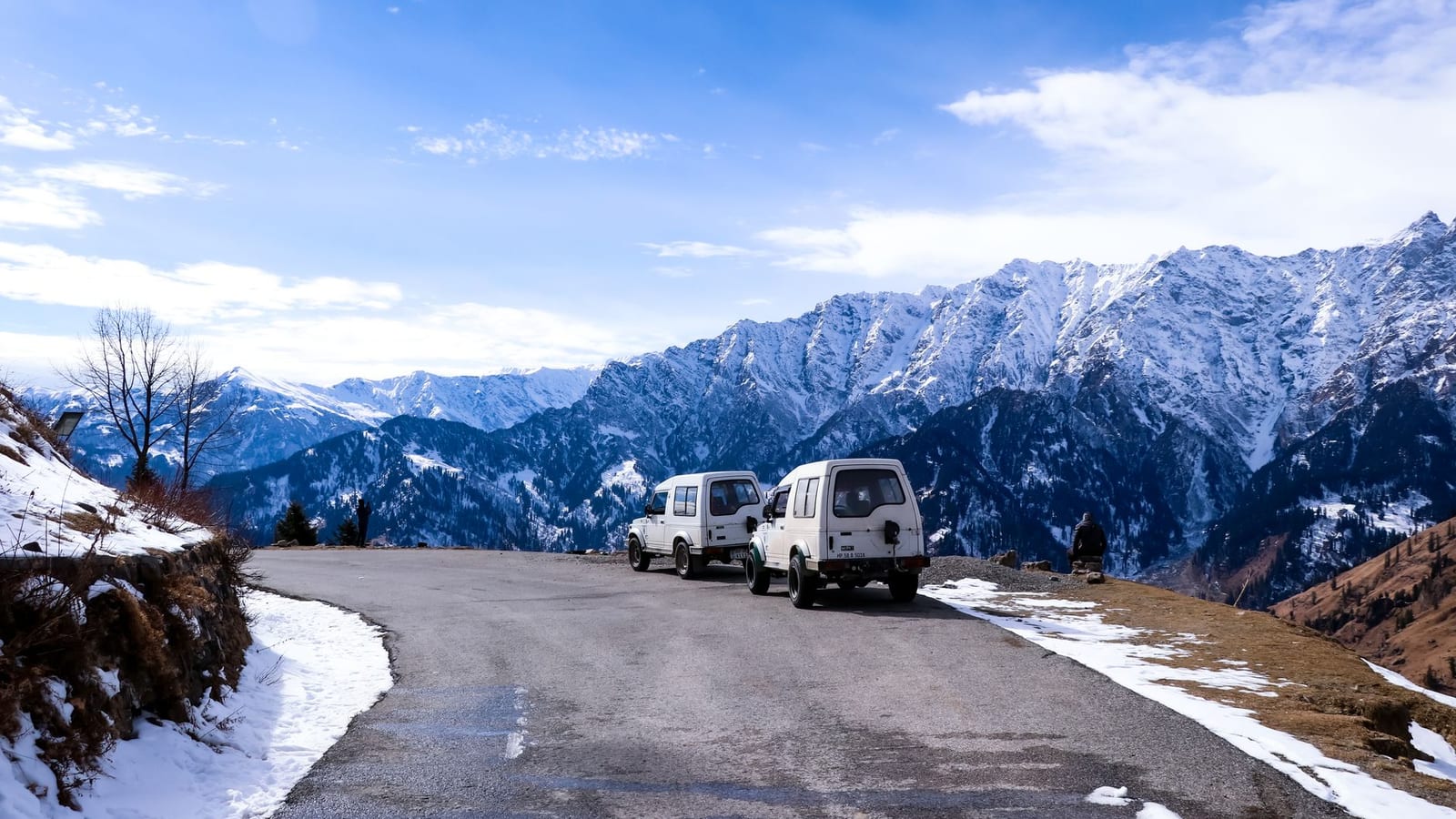
A Friday evening gig in Delhi, a misty drive beyond Manali, a mango trail in peak summer, or a monsoon waterfall run in Odisha. For many travellers, that is the new vacation.
The old family holiday is still alive, of course. But 2026 travel in India is clearly moving in smaller, sharper bursts. People want cooler weather, fewer crowds, easier bookings, and places that feel alive beyond Instagram.
Short breaks are driving travel
The biggest shift is simple. Indians are no longer waiting for one long annual holiday.
Busy work lives, school calendars, rising flight costs, and packed cities have pushed people towards micro escapes. These are two or three-day breaks that fit around a weekend. A quick hill stay, a food festival, a heritage walk, or a city concert now counts as real travel.
That explains why weekend guides for Mumbai, Kolkata, Delhi, and Bengaluru matter more than before. A traveller may not have five spare days. But they can still squeeze in a performance, a workshop, or a food pop-up.
This is not just a metro habit. The same mood reaches tier-2 cities too. Families want trips that need less planning. Young professionals want a pause before Monday returns. Working couples want a holiday without burning all their leave.
Hotels and homestays have understood this well. They now sell the feeling of a reset, not just a room. The promise is modest but powerful, arrive tired on Saturday, leave lighter on Sunday.
Heat is changing destination choices
Summer travel used to mean everyone rushing to the same famous hill stations. That map is changing fast.
As heatwaves grow sharper across the plains, travellers are looking for cooler places with fewer crowds. The new word for this is coolcation. In plain English, it means choosing a holiday because the weather lets you breathe.
This is why valleys, forest towns, and quieter hill stations are getting attention. Himachal Pradesh still pulls crowds, but travellers now look beyond Shimla and Manali. Sissu in Lahaul Valley, for instance, fits this mood well. It offers river views, trails, night skies, and a slower pace.
The same hunger for cool air explains interest in Tons Valley and other lesser-known mountain routes. These places attract travellers who want the Himalayas without the traffic jam.
But this shift also brings pressure. Smaller towns do not always have the roads, waste systems, or medical facilities needed for sudden crowds. A peaceful village can change quickly when weekend traffic arrives.
So the smarter traveller now asks practical questions first. How hard is the road? Is there mobile signal? Can older parents manage the journey? Is the stay close to medical help? These details matter more than a pretty reel.
India replaces overseas dreams
A weak holiday budget can still produce a strong trip. That is another big theme this year.
Many Indians who cannot travel abroad are looking for domestic places that feel fresh. Not as copies of foreign destinations, but as landscapes with their own drama. Canyon-like landforms, backwaters, alpine meadows, old Portuguese neighbourhoods, and desert towns all fit that search.
This is where India’s variety becomes its biggest selling point. Jaisalmer can change how a mountain person sees nature. Karaikudi can slow down anyone used to fast city breaks. Udaipur still offers palace stays and lake views for those chasing a royal summer.
The Northeast is also drawing more curious travellers. Ladakh has long been popular, but interest is now moving beyond Leh and Pangong. Offbeat routes offer raw landscapes and cultural encounters, though they also demand patience and respect.
In Meghalaya, cave journeys such as Krem Liat Prah speak to a different kind of traveller. This is not soft sightseeing. It is for people who want a real physical experience, with limestone passages and underground chambers.
The monsoon map is just as rich. Waterfalls in Odisha, Purulia’s misty hills, and South India’s rain-fed landscapes turn the season into an attraction. Earlier, many families avoided the rains. Now, the rains are the reason to travel.
Pets, faith, and food reshape routes
A striking new sign of Indian travel is the pet-friendly holiday.
Pet travel is no longer a rare request. More stays, cafes, transport options, and curated trips now consider dogs and cats part of the family plan. For pet owners, that changes everything. A trip becomes possible without guilt, boarding stress, or last-minute jugaad.
Food is also creating its own travel routes. Mango tourism is a good example. Orchards, rare varieties, museums, and village trails now turn a seasonal fruit into a reason to travel. Indians have always loved mangoes. The difference is that the love now has an itinerary.
Faith travel is changing too. Journeys to Buddhist sites such as Bodh Gaya, Sarnath, and Dharamshala remain rooted in devotion. But better roads, hotels, and packaged routes have changed the experience. Pilgrimage is no longer only about hardship.
That shift raises an old question. When convenience enters a sacred route, does devotion become easier, or thinner? The answer may differ from traveller to traveller. For elderly pilgrims, comfort can open doors. For others, the difficulty itself once shaped the journey.
The Andaman and Nicobar Islands offer another kind of pull. An overnight cruise towards Barren Island, India’s only active volcano, shows how adventure travel is widening. This is not a casual beach break. It is the thrill of watching land and fire meet the sea.
India’s travel story in 2026 is not about one hot destination. It is about how Indians are changing the very idea of a holiday. Shorter breaks, cooler escapes, pet-inclusive stays, food trails, faith routes, and monsoon journeys all point to the same truth. People want travel that fits real life, not fantasy brochures. For ordinary readers, the best trip may not be far away. It may simply need better timing, a smaller bag, and a clearer reason to go.